Losing full use of one hand, whether from an injury, a stroke, an amputation, or simply holding a baby all day, does not mean losing your hobbies. It means finding the ones that actually fit. Plenty of activities, from drawing to fencing to competitive poker, work just as well with a single working hand, and a growing number even come with adaptive tools built specifically to make them easier.
This list covers 25 one handed hobbies you can start this month, grouped by type so you can find something that matches your energy level, whether you want to create something, unwind, or compete.
Disclosure: some links on this page are Amazon affiliate links. As an Amazon Associate I earn from qualifying purchases.
Drawing, coloring, and journaling are the easiest one handed hobbies to start today, with almost no cost or setup. If you want a mental challenge, chess and sudoku are the best low-cost picks, and if you game, the Xbox Adaptive Controller and PlayStation Access Controller make one handed play genuinely comfortable in modern titles.
For even more ideas beyond this list, browse my master list of interests and hobbies.
Table of Contents
- Creative One Handed Hobbies
- Entertaining One Handed Hobbies
- Relaxing One Handed Hobbies
- Things To Do With One Arm
- FAQ
Creative One Handed Hobbies
Creative hobbies are some of the easiest to adapt to one hand, since most drawing, painting, and music tools were never designed to require two functioning hands in the first place. These six let you build a real skill and end up with something to show for it.
1. Drawing
Cost to start: $10-$40 | Difficulty: Easy
Drawing is one of the most accessible one handed hobbies there is, since a pencil and a sketchbook are the only real requirements. You can sketch anywhere, from a waiting room to your kitchen table, and there is no minimum skill level needed to start. Beginners usually work through simple shading exercises and everyday objects before moving into portraits or landscapes. If you drew before losing use of a hand, expect a short adjustment period as you relearn pressure and control with your other hand.
Rough sketches count as progress, not failure. For more structured technique guides, my top art hobbies to try rounds up other drawing and painting resources worth exploring. First step: buy a $10 sketchpad and a set of graphite pencils, then draw one object from your kitchen for 10 minutes.
2. Harmonica, Flute, Trumpet
Cost to start: $15-$300 | Difficulty: Moderate
Several instruments can be played holding and operating them with one hand, or with minor adaptation. A diatonic harmonica needs no fingering at all, just breath control and hand cupping for tone, which makes it one of the simplest one handed instruments to pick up. One-handed flute adaptations exist for players missing use of a hand, and short-valve trumpets can be played one-handed with practice, though brass generally takes longer to sound good.
Start with harmonica if cost and simplicity matter most, and look into adapted woodwind or brass instruments through a local music therapist or adaptive music program if you want to go further. Community bands increasingly welcome adaptive players. First step: buy a $15-$25 harmonica in the key of C and learn to play a single scale by ear.
3. Piano
Cost to start: $0-$200 | Difficulty: Moderate
Playing piano with one hand is a legitimate musical tradition, not a workaround. Composers have written full left-hand repertoire for over a century, originally for pianists who lost an arm, and plenty of that sheet music is available free online today. A keyboard app on your phone costs nothing to start, and a basic 61-key keyboard runs $80-$200 if you want a physical instrument.
Split keyboard layouts and simplified arrangements make popular songs playable with a single hand, so you are not limited to classical pieces. Expect slower progress than two-handed piano, since your one hand is doing double duty for melody and rhythm. First step: download a free piano app and learn a five-note scale using your dominant hand.
4. Photography
Cost to start: $0-$150 | Difficulty: Easy
Photography is one of the most naturally one handed hobbies around, since most people already shoot photos on a smartphone held in a single hand. If you want more control, a mirrorless camera with a wrist strap and a lightweight lens lets you shoot one-handed without much strain, and in-camera or app-based stabilization compensates for minor shake. Editing apps let you crop, adjust color, and post directly from your phone with one thumb.
You do not need expensive gear to get good results. Start by shooting the same subject, a plant, a pet, a street corner, at different times of day to learn how light changes a photo. First step: take 20 photos of one object around your house and pick your favorite three.
5. Painting
Cost to start: $20-$60 | Difficulty: Easy
Painting works well as a one handed hobby because a brush does not require a second hand to steady it once your canvas or paper is taped down or clipped to a board. Acrylics are the most forgiving starting point since they dry fast and clean up with water, while watercolors need less pressure and are gentler on your wrist. A basic starter set with a few brushes, paint, and paper runs $20-$40.
Painting is also one of the most flexible hobbies for stress relief, since there is no wrong way to put color on a page. For more ideas in this space, see my top art hobbies to try guide. First step: tape a sheet of paper to a table or easel and paint one shape in three colors.
6. Practice Calligraphy or Hand Lettering
Cost to start: $15-$50 | Difficulty: Moderate
Calligraphy and hand lettering are single-hand hobbies by nature, since the whole skill is controlling one pen or brush with precision. Brush pens are more forgiving for beginners than traditional dip pens and ink, and a beginner set runs about $10-$20. The learning curve is mostly repetition, tracing letterforms and practicing consistent pressure until the strokes feel natural.
Hand lettering, which skips the strict calligraphy rules, is an easier entry point if you want to make art for cards or wall decor without mastering a full alphabet system first. Many people find the slow, repetitive strokes genuinely meditative. First step: trace a lowercase alphabet from a free downloadable practice sheet using a basic brush pen.
Entertaining One Handed Hobbies
These hobbies double as entertainment, whether you are playing solo to pass the time or competing against friends and family. Most require little to no adaptation.
7. Playing Sudoku
Cost to start: $0-$10 | Difficulty: Easy
Sudoku is a natural fit for a one handed hobby since the entire game is done with a pen, pencil, or a single tap on a screen. Free apps put unlimited puzzles on your phone, or a $5-$10 puzzle book works just as well if you prefer paper. The rules take about five minutes to learn, fill each row, column, and 3×3 box with the numbers 1 through 9 without repeats.
Difficulty ranges from beginner grids that take ten minutes to expert puzzles that take an hour, so it scales with how much challenge you want. Regular sudoku play is also linked to keeping problem-solving skills sharp. If you like this kind of mental workout, my problem solving hobbies list has more.
8. Doing Crossword Puzzles
Cost to start: $0-$15 | Difficulty: Easy
Crossword puzzles are entirely one handed, since solving one is just reading clues and writing or tapping in letters. Most newspapers publish a daily crossword, and apps give you a constant supply without buying books. Beginners should start with easier weekday puzzles rather than the notoriously difficult Saturday grids, which lean on wordplay and obscure trivia.
Crosswords are a good hobby to build into a daily habit since they take 10-20 minutes and give you a small sense of completion each time. They also build vocabulary in a way that feels like play rather than study. First step: solve a Monday-difficulty crossword from a free app or your local paper.
9. Playing Darts
Cost to start: $30-$80 | Difficulty: Easy
Darts is a one handed sport by design, since you throw with a single hand while the other simply steadies your stance. A basic dartboard, cabinet, and a set of darts costs $30-$60, and soft-tip electronic boards that score automatically run closer to $60-$80. The learning curve is gentle. Most people can hit the board consistently within a first session, even if bullseyes take longer.
Darts is also social by nature, since most games are built for two or more players, and local leagues exist in many towns for people who want regular competition. It is a good option if you want a hobby that gets you standing and moving rather than seated. First step: hang a dartboard and practice a consistent throwing motion from eight feet away.
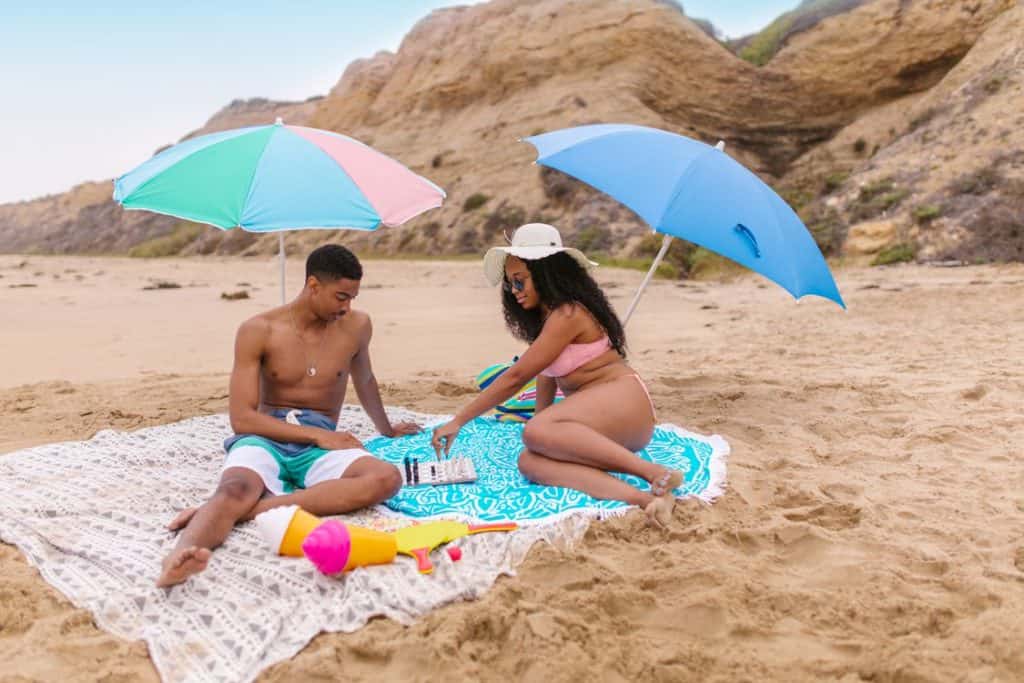
10. Playing Chess
Cost to start: $15-$40 | Difficulty: Moderate
Chess is entirely playable with one hand, since moving a piece and pressing a chess clock both take a single motion. A basic board and piece set runs $15-$25, or you can play free online against opponents worldwide through sites like Chess.com or Lichess, both of which work fine with one-handed mouse or touchscreen play. The rules take an afternoon to learn, but real skill develops over months and years, which is part of the appeal.
Chess is one of the best-documented hobbies for long-term cognitive benefits, including memory and pattern recognition. It pairs naturally with other strategy hobbies on my problem solving hobbies list. First step: play one free game against a beginner-level computer opponent on Lichess.
11. Doing Jigsaw Puzzles
Cost to start: $10-$30 | Difficulty: Easy
Jigsaw puzzles work well one handed since each move is simply picking up a piece and testing where it fits, with no second hand required to hold anything steady. A 500-piece puzzle costs $10-$20, and puzzle mats or boards ($10-$15) let you save your progress and move a partially finished puzzle without disturbing it. Smaller piece counts, 300 or fewer, are a good starting point if hand fatigue is a concern, since bigger, thicker pieces are easier to grip than small pieces packed into a 1,000-piece box.
Puzzles are also a good low-pressure hobby to leave out on a table and return to over several days. First step: pick a 300-500 piece puzzle with a subject you enjoy and sort the edge pieces first.
12. Playing Video Games (Mouse Only)
Cost to start: $0-$100 | Difficulty: Easy
Most PC games with mouse-only controls, along with a growing library of console and PC titles built around dedicated adaptive hardware, make gaming genuinely accessible with one hand. Puzzle and strategy games such as Machinarium, World of Goo, and Teamfight Tactics have long been playable one handed, even before accessible gaming became a bigger industry focus. For a wider library, the Xbox Adaptive Controller (about $100) and the PlayStation Access Controller (about $90) both remap full controller functions onto a single accessible surface, and both are officially supported by Microsoft and Sony rather than being third-party workarounds.
Community-maintained lists of one-handed-friendly games are a good resource once you pick a platform. First step: install a free mouse-only game like World of Goo and play through the first few levels.
13. Playing Table Tennis
Cost to start: $30-$100 | Difficulty: Moderate
Table tennis is played almost entirely with one hand, since the paddle hand does all the work while the other arm just helps with balance. A decent paddle costs $15-$30, and access to a table (community center, gym, or a $150+ table for home) is the bigger expense to plan around. The learning curve is friendly. You can rally casually within your first session, and serving with one hand is standard in the sport, not an adaptation.
Table tennis is also a solid low-impact cardio option if you want a hobby that doubles as light exercise. Many recreation centers offer public tables and casual leagues. First step: find a public table tennis table nearby and rally with a partner for 15 minutes.
14. Playing Board Games and Card Games
Cost to start: $10-$40 | Difficulty: Easy
Most board games and card games are built around single-hand actions, drawing a card, rolling a die, moving a piece. Games with rotating boards or one-handed card holders (inexpensive plastic or wood stands, about $5-$10) solve the few situations where holding a hand of cards gets awkward. A starter collection of two or three games runs $10-$40 depending on complexity, and many classics like Uno, checkers, and dominoes need no adaptation at all.
These games are a strong pick if you want a hobby built around spending time with other people rather than solo focus. First step: pick one classic card or board game you already own and play a round with a family member or friend.
15. Poker
Cost to start: $10-$30 | Difficulty: Moderate
Poker is fully playable one handed, whether you are betting chips, holding cards in a one-handed card holder, or playing online where every action is a click or tap. A basic deck and chip set costs $10-$20, and free-to-play poker apps let you learn hand rankings and betting strategy at no cost before you play for money. The game rewards patience and reading other players as much as it rewards the cards you are dealt, which makes it a genuinely skill-based hobby rather than pure luck.
Home games with friends are the easiest low-stakes way to start. First step: play a few free hands on a poker app to learn hand rankings before joining a home game.
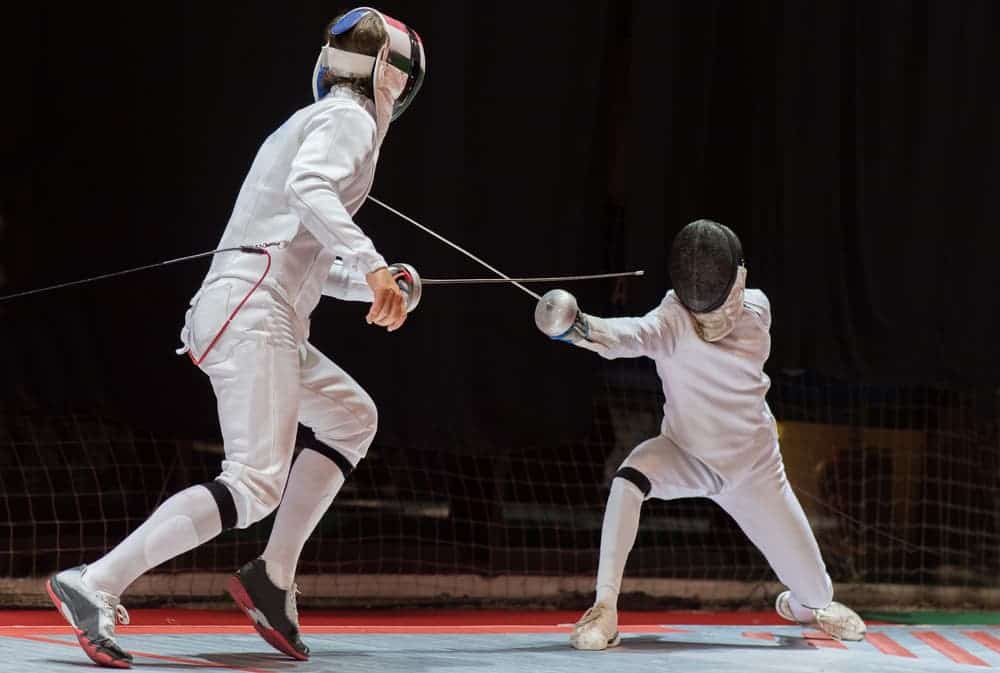
16. Fencing
Cost to start: $50-$150 | Difficulty: Hard
Fencing is naturally one handed, since competitors fence with a single weapon hand at every level of the sport, amateur and Olympic alike. Most fencing clubs rent beginner gear (mask, jacket, weapon) for an introductory class or first few months, which keeps your initial cost closer to $50-$100 in class fees before you decide whether to invest in your own $150+ equipment. The learning curve is steeper than most hobbies on this list, since footwork, timing, and blade control all take real practice, but clubs are built for absolute beginners and most welcome adaptive athletes.
Fencing is also genuinely good exercise, building reflexes and lower-body conditioning along with hand-eye coordination. First step: find a local fencing club offering a beginner trial class and attend one session with rented gear.
17. Arm Wrestling
Cost to start: $0 | Difficulty: Easy
Arm wrestling needs no equipment beyond a table and a willing opponent, which makes it one of the simplest hobbies on this list to try today. It is a straightforward test of grip strength, arm strength, and technique, and casual matches require no training at all, though competitive arm wrestlers do train specific grip and forearm strength over time. Local arm wrestling clubs and informal tournaments exist in many cities if you want to take it further than casual matches with friends.
It is a good hobby if you want something quick, social, and a little competitive without any real setup cost. First step: challenge a friend or family member to a casual match and focus on proper wrist and elbow positioning rather than pure strength.
Relaxing One Handed Hobbies
One handed hobbies can also provide a genuine break from stress. These four offer a calm, low-effort way to recharge.
18. Writing
Cost to start: $0-$20 | Difficulty: Easy
Writing is one of the most flexible one handed hobbies, since it needs nothing more than a pen and paper or a laptop, and voice-to-text tools remove even that requirement if typing is tiring. Short-form writing, poetry, flash fiction, blog posts, is a good entry point before committing to something longer like a novel. Free tools like Google Docs, with built-in voice typing, or a basic notebook cost nothing to start.
Writing is different from journaling in that it is aimed outward, at readers, even if that reader is just future you, rather than being a private record of your day. Many writers find a consistent daily word count more useful than waiting for inspiration. First step: write for 15 minutes about anything, without editing, using pen and paper or voice-to-text.
19. Cooking and Baking
Cost to start: $20-$75 | Difficulty: Moderate
Cooking and baking are absolutely possible one handed with the right setup, and a small set of adaptive kitchen tools makes a real difference. A cutting board with corner clamps or spikes to hold food steady while you cut, a rocker knife that cuts with a rocking motion instead of a sawing one, and a jar opener mounted under a cabinet are the three tools most one-handed cooks reach for first, and together they cost around $20-$40. Recipes built around stirring, chopping pre-cut ingredients, and one-pot cooking are the easiest starting point before you tackle anything requiring simultaneous multi-step handling.
Baking is slightly more forgiving of pace, since most steps happen one at a time. First step: buy a $10-$15 cutting board with a corner clamp and cook one simple one-pot meal.
20. Reading
Cost to start: $0-$20 | Difficulty: Easy
Reading is naturally one handed for most formats, especially e-readers and audiobooks, and a simple book stand or page-turning clip ($10-$15) solves the awkwardness of holding a physical book open with one hand. Libraries make the hobby free, whether you borrow physical books or use a library app for e-books and audiobooks. Reading is a strong pick if you want a hobby that fits into small pockets of time, a commute, a waiting room, ten minutes before bed, without needing to set anything up.
It also pairs well with other quiet hobbies on this list, like journaling about what you have read. If you want hobbies geared toward a slower pace of life, my hobbies for men over 60 list overlaps well with reading and similar low-impact activities. First step: borrow one e-book or audiobook from your local library app and read or listen for 20 minutes.
21. Yoga and Meditation
Cost to start: $0-$30 | Difficulty: Easy
Yoga and meditation adapt well to one-handed practice, since most poses and breathing exercises do not require gripping or bearing weight equally on both hands. Chair yoga and seated meditation are especially accessible starting points, and free guided sessions on YouTube or meditation apps mean you can start without spending anything. A yoga mat, if you want one, costs $15-$30.
Adaptive yoga instructors and classes specifically for people with limb differences or mobility limitations are increasingly available, both in person and online, and can help you modify poses safely rather than skipping them. Even five to ten minutes a day builds a genuine habit. First step: follow a free 10-minute seated meditation or chair yoga video and repeat it daily for a week.
Things To Do With One Arm
Whether physical or emotional, there are times when we need a change in scenery or a new activity. These four calming options round out the list.
22. Journaling
Cost to start: $5-$25 | Difficulty: Easy
Journaling is a private, reflective hobby that only needs a notebook and pen, or a notes app if handwriting is tiring. Unlike general writing, journaling is not meant for an audience. It is a space to track your thoughts, mood, and goals, which makes it a genuinely useful tool during recovery from an injury or a major life change, not just a hobby.
Prompted journals ($10-$20) are a good option if a blank page feels intimidating, since they give you a specific question to answer each day rather than requiring you to generate a topic yourself. Even a few sentences a day is enough to build the habit. First step: write three sentences about your day in a notebook or notes app before bed tonight.
23. Learning a New Language
Cost to start: $0-$15/month | Difficulty: Moderate
Learning a new language is entirely doable one handed, since most modern study happens through apps, audio lessons, and conversation practice rather than handwriting drills. Free apps cover the basics, and paid options ($10-$15 a month) add features like structured courses or live tutoring if you want faster progress. Audio-based methods are especially useful here, since you can practice listening and speaking while doing something else entirely, walking, cooking, resting. Consistency matters more than intensity.
Fifteen minutes a day beats an occasional two-hour session. Many learners find conversation practice with a language exchange partner the fastest way to build real fluency once they have the basics down. First step: complete one free lesson in a language app and repeat it daily for a week.
24. Coloring
Cost to start: $5-$20 | Difficulty: Easy
Coloring is a low-pressure, genuinely relaxing one handed hobby, and adult coloring books with intricate patterns have made it popular well beyond childhood. A coloring book and a set of colored pencils or markers costs $10-$20, and digital coloring apps are a free alternative if you would rather work on a tablet. There is no wrong way to do it. You can aim for realistic shading or just enjoy filling in a page with colors you like.
It is a good hobby to pair with a podcast or audiobook, since coloring does not require much conscious thought once you get going. Many people use it specifically as a wind-down activity before bed. First step: pick one page in a coloring book and finish it using three to five colors.
25. Listening to Audiobooks or Podcasts
Cost to start: $0-$15/month | Difficulty: Easy
Listening to audiobooks or podcasts is about as accessible as a hobby gets, since it requires no hands at all beyond pressing play, and it fits around almost anything else you are doing. Libraries offer free audiobook apps, and podcasts are free by default across nearly every genre, from true crime to comedy to deep dives on hobbies like the ones on this list. A subscription service ($10-$15 a month) is worth it if you go through audiobooks quickly, but it is not required to get started.
This is a strong hobby to pair with another one-handed activity, coloring, cooking, or a walk, since it does not compete for your one working hand. First step: download a free podcast app and queue up three episodes on a topic you already like.
A Hobby for Everyone
One handed hobbies are not a smaller version of a normal hobby list. They are a real, wide-ranging set of activities that happen to work well with one functioning hand, whether that is temporary, permanent, or just how life looks right now with a baby on your hip. From five-minute options like journaling and audiobooks to bigger commitments like fencing or learning an instrument, there is enough range here to build a genuinely full hobby life. If none of these twenty-five quite fit, my list of the most unique hobbies is worth a browse for more ideas.
FAQ: One Handed Hobbies
What is the best hobby for someone with only one hand?
There is no single best option, since it depends on whether you want something creative, social, or purely relaxing. Drawing, journaling, and audiobooks are the easiest and cheapest hobbies to start today, while chess and sudoku are the top picks if you want a mental challenge. Video games and fencing are good choices if you want a hobby with more physical or competitive intensity.
Can you play video games with only one hand?
Yes. Many PC games use mouse-only or simplified controls that were never designed to need two hands in the first place, and dedicated adaptive hardware has closed most of the remaining gap. The Xbox Adaptive Controller and the PlayStation Access Controller both let you remap a full controller’s worth of inputs onto a single accessible surface, and both are officially supported by their platforms.
Are one handed hobbies useful during recovery from an injury or stroke?
Many of them are, especially low-impact options like journaling, coloring, reading, and gentle yoga. Occupational therapists frequently recommend hobbies like these because they rebuild fine motor control and offer a sense of accomplishment during a recovery period that can otherwise feel slow. It is worth checking with your care team before starting anything physically demanding, like fencing or table tennis, while you are still recovering.
Do I need special adaptive equipment to start most of these hobbies?
No. Most of the hobbies on this list, drawing, reading, chess, journaling, need nothing beyond what you would normally buy for a two-handed version of the same activity. A smaller number, like cooking or gaming, benefit from inexpensive adaptive tools such as a clamp cutting board or a one-handed controller, but these are optional upgrades rather than requirements to get started.