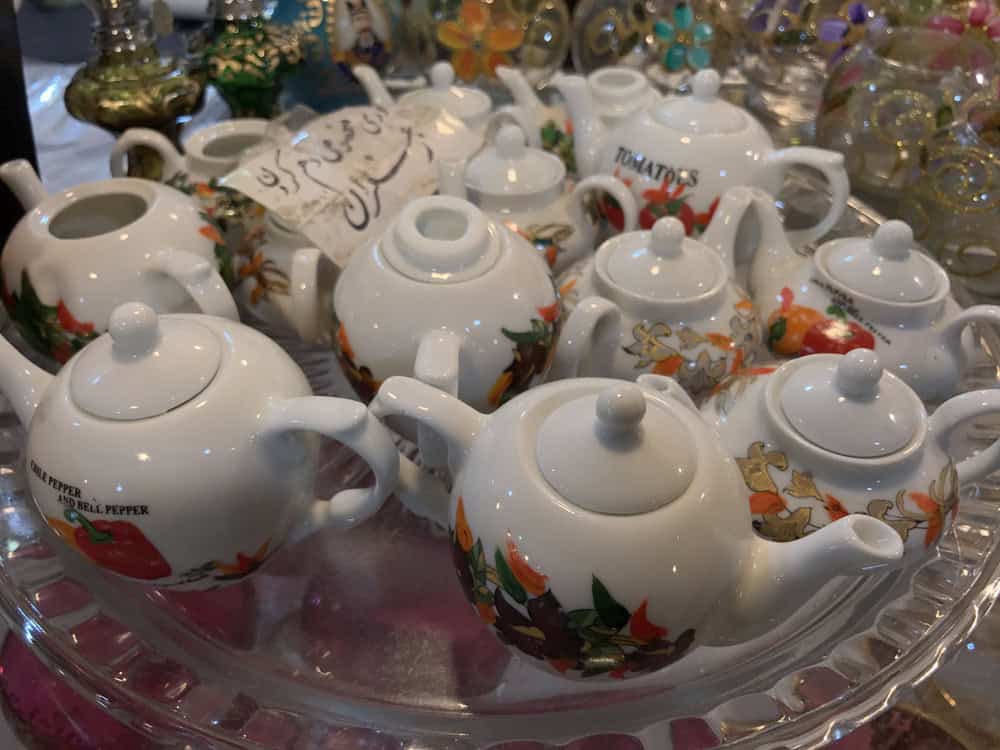
Antique collecting for beginners comes down to a few basics: seeking out, buying, and caring for objects that are genuinely old, usually furniture, glass, silver, jewelry, or paper items at least 100 years old, and building a collection around a category, era, or maker that interests you. Most beginners start with a $50 to $200 monthly budget, one category of focus, and a handful of trusted local sources before ever bidding at a major auction.
Jump to:
- What Counts as an Antique
- What It Costs to Start
- Where to Find Antiques
- Popular Categories for Beginners
- How to Verify Authenticity
- Your First Steps
- Common Mistakes Beginners Make
- FAQ: Antique Collecting
Disclosure: some links on this page are Amazon affiliate links. As an Amazon Associate I earn from qualifying purchases.
What Counts as an Antique
The 100-year rule is the only age standard with actual legal weight behind it. It entered U.S. law through the Tariff Act of 1930, which let genuinely old imports enter the country duty-free if they were at least a century old, and dealers still use that same line today.
Anything younger than 100 years but still representing its era, usually 20 to 99 years old, is generally called vintage instead. Items made in roughly the last 20 years that copy an older style are typically labeled retro, and they cost far less because they carry none of the original age or history.
This distinction matters for pricing. An 1890s oak dresser and a 1970s teak sideboard can look similarly “old” to a beginner, but one is a true antique and one is vintage, and that difference alone can change the price by hundreds of dollars.
What It Costs to Start
There’s no single price tag on this hobby, since it spans everything from $5 flea market finds to five-figure auction pieces. Most beginners can build a real starter collection on $50 to $200 a month if they pick an affordable category and buy patiently.
Rough starting ranges by category: small glass, china, or silver pieces often run $10 to $75; costume and vintage-style jewelry $20 to $150; clocks and pocket watches $50 to $300; smaller furniture pieces like side tables or chairs $75 to $400; larger case furniture like dressers or wardrobes $200 and up depending on maker and condition.
If you plan to buy at a live or online auction, budget for the buyer’s premium on top of the hammer price. Regional auction houses commonly charge 15 to 25 percent depending on the house and category, and it’s added to whatever you bid, so a $100 hammer price can mean $115 to $125 out the door. Flea market and antique fair vendors, by contrast, usually just quote a final price, though many expect some friendly negotiation.
Where to Find Antiques
Estate sales are one of the best sources for beginners. Items have often sat untouched in a home for decades, condition can be excellent, and prices are frequently more reasonable than a dealer’s, especially later in the sale when organizers want to clear out what’s left.
Flea markets and antique fairs put dozens of independent sellers in one place, which makes them ideal for comparing prices and asking questions before you buy. Vendors pay for their own table or booth space, often starting around $10 and up, and that cost is part of why prices are usually negotiable.
Established antique shops and dealers cost more than a flea market table, but you’re paying for accountability. A reputable dealer stands behind what they sell and can usually tell you the piece’s history, while an unverified online listing or impromptu seller gives you neither.
Online marketplaces like eBay and Etsy widen your options enormously, but they also carry the most risk since you can’t handle the piece or ask a seller real-time questions about condition. Save online buying for categories you already know well, and stick to in-person sources while you’re still building your eye.
Popular Categories for Beginners
Furniture. The most traditional antique category, and the easiest to judge by hand: check for dovetail joints, hand-cut nails, and honest wear patterns on drawer runners and chair arms. Smaller pieces like side tables and dining chairs are the most beginner-friendly entry point before tackling a full dresser or wardrobe.
Glass and ceramics. China, pressed glass, and pottery are widely available and easy to store, and small pieces can often be found for $10 to $50. Look on the underside for a maker’s mark or stamp, which is usually the fastest way to identify age and origin.
Silver and silverplate. Genuine sterling silver carries hallmarks stamped into the piece, while silverplate does not hold the same long-term value but is a much cheaper way to start learning the category. A cheap magnet test can rule out some fakes, since real silver isn’t magnetic.
Clocks and watches. Mechanical clocks and pocket watches are a rewarding category if you don’t mind occasional maintenance, since many antique movements still run with proper cleaning and oiling. Expect $50 to $300 for a working beginner piece, more for named makers.
Jewelry. Antique and Victorian-era jewelry ranges from affordable costume pieces to genuinely valuable gold and gemstone work, so this is a category where getting a piece appraised before buying anything expensive really pays off.
Textiles and linens. Quilts, lace, and embroidered linens are an overlooked, affordable entry point, often $10 to $60 for smaller pieces, though they need careful storage away from light and moisture to avoid damage.
Paper ephemera. Postcards, letters, photographs, and vintage matchbooks fall under this category, and it’s one of the cheapest ways to start, often just a few dollars per piece. If matchbook and matchbox collecting specifically appeals to you, our matchbox collecting guide covers that category in depth, and antique fountain pens are their own rewarding sub-hobby, covered in our pen collecting guide.
Antique toys and dollhouse miniatures are another overlapping niche worth a look if small, detailed objects appeal to you more than furniture or silver; our guide to collecting miniatures is the deeper resource there.
How to Verify Authenticity
Age and wear should match up. Genuine antique wood shows honest wear on the parts people actually touched, like drawer edges, chair arms, and stair treads, while a faked or refinished piece often looks suspiciously uniform.
Maker’s marks are one of the most reliable authentication tools available. A jeweler’s loupe, such as the Frienda 3 Pcs Illuminated Jewelers Loupe Magnifier ($14.99, 4.4 stars from nearly 400 ratings), makes these small stamped marks much easier to read in the field. Silver hallmarks, porcelain backstamps, and furniture maker’s labels can usually be looked up to confirm the maker, the country of origin, and roughly when the piece was made.
Patina, the natural sheen wood, metal, or glass develops from decades of handling and light exposure, is very hard to fake convincingly. It builds unevenly in the places people actually touched, unlike the flat, all-over shine of a modern reproduction.
Provenance, meaning the documented history of who owned a piece and where it came from, adds real value when you have it, and its absence isn’t automatically a red flag on affordable everyday pieces. It matters most on expensive items, where a paper trail can meaningfully change the price.
Condition and restoration change value in both directions. Honest wear from age is expected and rarely hurts value, but replaced parts, refinished surfaces, or amateur repairs can significantly lower what a piece is worth, so always ask a seller directly what’s original and what’s been restored.
A few specific red flags are worth watching for beyond general condition and provenance questions. A “certificate of authenticity” from an unnamed or unverifiable source is worth little on its own; a price that is dramatically below what similar verified pieces sell for is more often a sign of a reproduction than a hidden bargain; and any seller who pressures you to buy immediately, before you can research the piece or have it looked at, is a pattern worth walking away from. Modern materials in a supposedly antique piece, like Phillips-head screws, plastic parts, or machine-uniform stitching, are also a reliable giveaway that something does not match its claimed age.
Your First Steps
- Pick one category to start with. Choose whatever genuinely interests you, whether that’s furniture, glassware, jewelry, or paper ephemera, since narrow focus is what actually builds a trained eye.
- Set a monthly budget. Something in the $50 to $200 range is enough to make real purchases without any pressure to overspend on your first few finds.
- Visit before you buy. Spend a few weekends at estate sales, flea markets, and local antique shops just looking and asking questions, no purchases required, to get a feel for real prices in your area.
- Learn your category’s basic marks. Spend an evening looking up common maker’s marks, hallmarks, or backstamps for your chosen category so you can recognize them on sight.
- Make a small first purchase. Buy something affordable and low-risk, ideally under $50, from a seller who can answer your questions about it.
- Ask every seller about condition and history. Whether an item has been restored, repaired, or reproduced from an original design should always be part of the conversation before you pay.
- Keep a simple record. Note what you paid, where you bought it, and anything the seller told you about its history. This becomes genuinely useful if you ever want to sell, insure, or simply remember the story behind a piece.
Common Mistakes Beginners Make
Buying before learning anything about the category is the single most common mistake, and it leads to overpaying for common pieces or buying reproductions at genuine prices.
Rushing a purchase because a piece feels rare is a close second. Scarcity feels urgent, but urgency and genuine quality are not the same thing, and a piece that’s still there next weekend was never actually about to disappear.
Collecting too broadly early on makes it hard to compare quality or spot a bargain, since you never build real expertise in any one area. Narrowing your focus, even temporarily, is what actually trains your eye.
Buying from unverified sellers, whether an anonymous online listing or an impromptu roadside seller, is where most beginner mistakes originate. A reputable dealer or established antique fair vendor gives you accountability that a random listing never will.
Ignoring condition and restoration history can mean paying full antique price for a piece that’s mostly modern repair work. Always ask directly what’s original.
FAQ: Antique Collecting
What’s the difference between an antique and a vintage item?
An antique is generally at least 100 years old, the standard set by U.S. customs law in 1930 and still used by most dealers today. Vintage covers items that are older but representative of their era, typically 20 to 99 years old, while retro describes newer pieces that copy an older look.
How much money do I need to start collecting antiques?
Most beginners can build a genuine starter collection on $50 to $200 a month by choosing an affordable category like glass, ceramics, or paper ephemera and buying patiently from estate sales and antique fairs rather than major auctions.
How can I tell if an antique is real or a reproduction?
Check for a maker’s mark, hallmark, or backstamp first, since these can usually be looked up to confirm the maker and rough age. Also look for honest, uneven wear in the places people actually touched, since patina like that is very hard to fake convincingly.
Where’s the best place for a beginner to buy antiques?
Estate sales and reputable local antique shops or fairs are the safest starting points, since you can handle the piece and ask the seller direct questions about condition and history. Save online marketplaces for categories you already know well, since you can’t inspect the item in person.