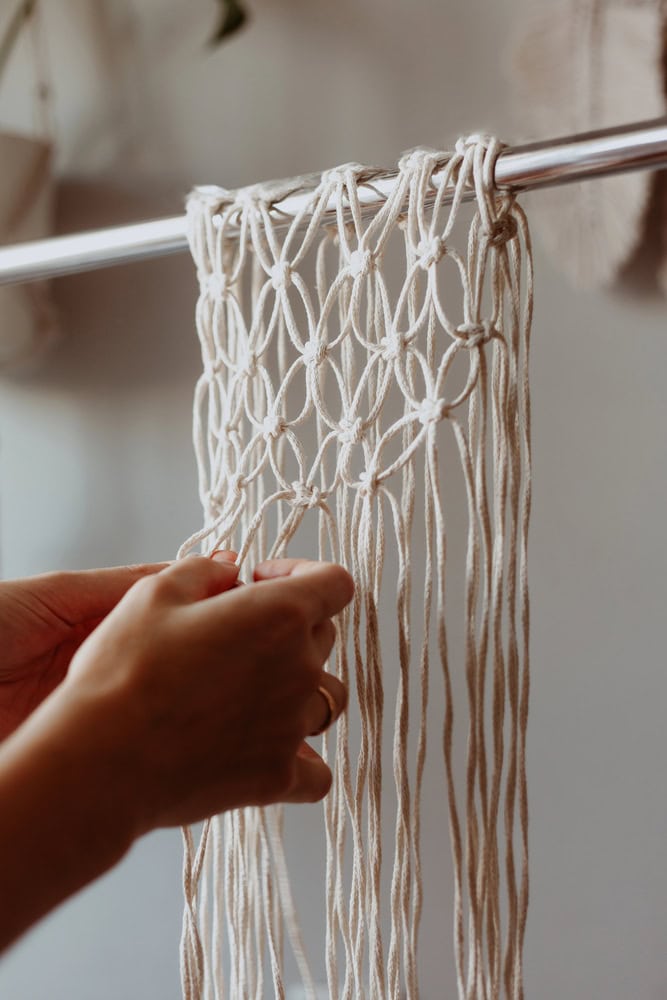
Macrame is the craft of creating patterns and textiles using only knots, no needles, hooks, or looms required. A basic starter kit runs $15-$40, the whole craft rests on four knots, and most people finish a first simple plant hanger in under an hour.
Table of Contents
- What Is Macrame?
- What It Costs to Start
- The 4 Knots You Actually Need
- Your First Project: A Simple Plant Hanger
- Common Beginner Mistakes
- Who Macrame Is a Good Fit For
- FAQ: Macrame for Beginners
Disclosure: some links on this page are Amazon affiliate links. As an Amazon Associate I earn from qualifying purchases.
What Is Macrame?
Macrame is a knotting technique that dates back centuries, with roots in 13th-century Arabic weaving traditions and a major revival during the 1970s as wall hangings and plant hangers.
It’s having another moment now, driven by the same appeal it always had: cheap materials, no machinery, and a finished piece you can hang up the same day you start it.
Unlike weaving or knitting, macrame doesn’t use a loom, needles, or hooks. Every pattern, from a simple plant hanger to an elaborate wall tapestry, is built from a small set of knots tied by hand and pulled tight.
What It Costs to Start
Cost to start: $15-$40. Difficulty: Easy.
You don’t need a workshop, a sewing machine, or any specialized equipment. The core supplies are cord, a hanging point, and scissors.
Macrame cord. A single roll of 3mm twisted cotton cord, the size most beginner patterns call for, runs $6-$17 for 100+ yards. Twisted (3-strand) cord is easier to untie and correct than braided cord, which matters a lot when you’re still learning knot tension.
A beginner kit. Most people starting out do better buying a bundled kit rather than sourcing cord and hardware separately. A kit typically includes cord, wooden rings, wooden beads, a small dowel, and a printed knot guide, all for around $13-$20. One well-reviewed option is the MAOQIAN 120-piece macrame starter kit ($12.99, 4.6 stars from over 1,700 ratings), which comes with enough cord, beads, rings, and dowels for several small projects.
A hanging point and dowel. Wall hangings and plant hangers need something to knot onto. A 12-inch wooden dowel works, and so does a piece of driftwood or an S-hook over a doorframe, all under $10 if a kit doesn’t already include one.
Scissors. Sharp fabric scissors keep cord ends clean. Most households already have a pair; a dedicated pair runs $5-$10.
That’s the entire list. There’s no ongoing cost beyond replacing cord as you use it up, and a single starter kit is usually enough for two or three finished pieces.
The 4 Knots You Actually Need
Macrame looks intricate, but nearly every pattern beginners encounter is built from four knots.
Lark’s head knot. This is how you mount cord onto a dowel or ring to start a project. It’s the very first knot in almost every pattern, and it takes about 30 seconds to learn.
Square knot. The workhorse of macrame. Two cords wrap around two center cords in a specific over-under pattern, and repeating it creates the flat, textured pattern most people picture when they think of macrame. Once this knot feels natural, most beginner patterns become readable.
Half hitch knot. Tied in a row, half hitches create diagonal or spiral patterns depending on which direction you knot. This is the knot behind the twisted, rope-like sections in plant hangers.
Gathering (wrapping) knot. Used to bundle several cords together at the bottom of a piece, usually to finish a plant hanger or tidy loose ends before trimming.
Learning these four knots well, rather than rushing through a dozen pattern variations, is the fastest way to get comfortable. Most beginner kits include an illustrated guide to all four, and there are also free video tutorials for each knot that show the hand motion in real time, which is easier to follow than a diagram for most first-timers.
Your First Project: A Simple Plant Hanger
A basic single-pot plant hanger is the standard first project, and it only uses the square knot and the gathering knot.
First step: cut eight lengths of cord, each about 8 feet long, and fold them in half over a dowel or ring using a lark’s head knot, giving you 16 working strands.
From there, group the strands into sets of four and tie a series of square knots a few inches down from the top to create the first row of the hanger’s body. Repeat the pattern lower down, offsetting the knots slightly each row to create the diamond or crisscross look common in plant hangers.
Finish by gathering all the strands together a foot or so from the bottom and tying a wrapping knot to bundle them, then trim the ends evenly (or leave them long for a tasseled look).
Most beginners finish a first hanger in 30 to 60 minutes once they’re comfortable with the square knot. It won’t be perfectly even on the first try, and that’s normal. Macrame is forgiving because a twisted cotton cord can be untied and retied without damage, so mistakes cost time, not materials.
Common Beginner Mistakes
A few habits separate a clean-looking first project from a messy one.
Inconsistent tension. Pulling some knots tight and leaving others loose is the single biggest giveaway of a first attempt. Try to tie every knot with the same amount of pressure, and don’t worry about perfection on the first piece.
Skipping the practice knots. It’s tempting to jump straight into a full pattern, but five minutes of practicing each of the four core knots on a scrap piece of cord before starting a real project saves a lot of frustration.
Using the wrong cord for the pattern. Braided cord looks smoother in a finished piece, but it’s harder to untie and correct, which makes it a poor choice for a first project. Stick with twisted cotton cord until the core knots feel automatic.
Cutting cord too short. Macrame eats up cord fast, generally 3-4 times the finished length of a piece once knotting is factored in. Beginner patterns typically list the cord length needed; when in doubt, cut a little longer rather than come up short partway through.
Who Macrame Is a Good Fit For
Macrame suits people who want a low-cost, low-commitment creative outlet with a finished product the same day. It doesn’t require standing space, ventilation, or a dedicated room the way some fiber crafts do, and the whole kit packs into a small drawer or bag.
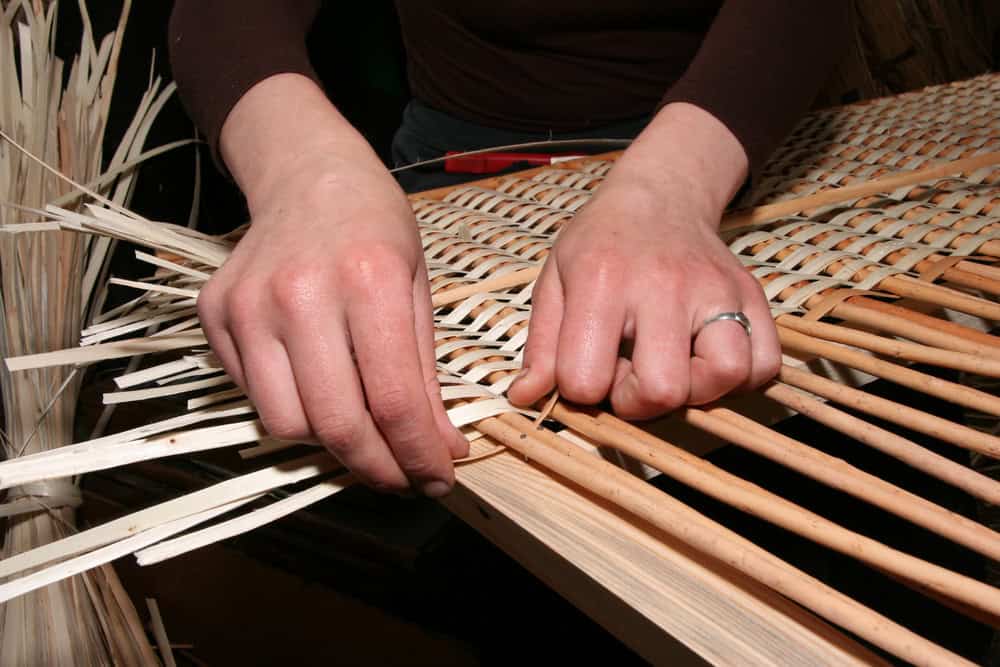
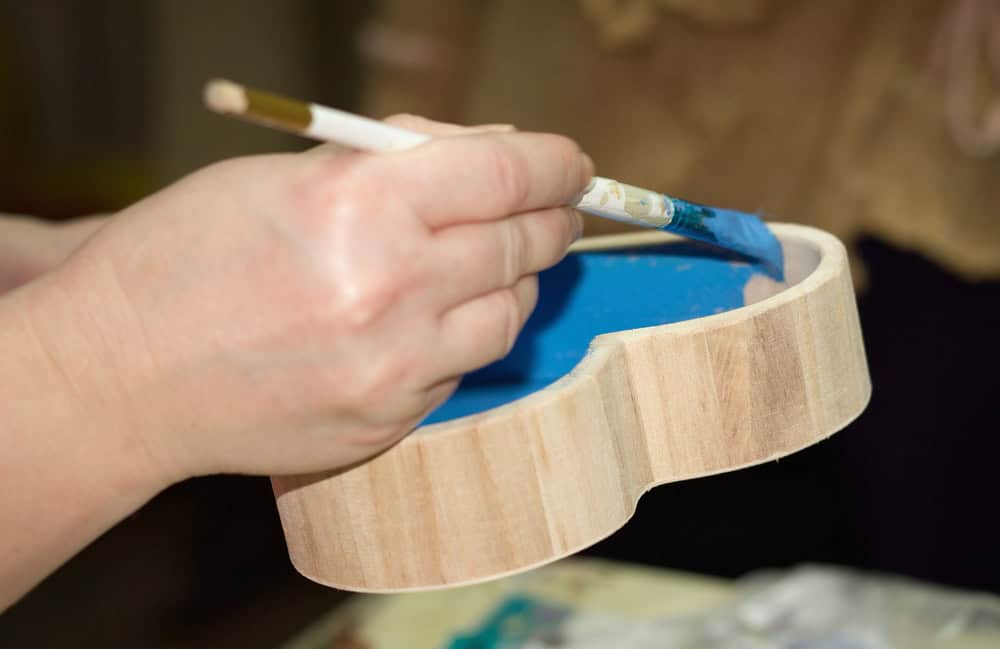
It also pairs naturally with other hands-on craft hobbies, and beginners coming from fiber-based crafts like rug tufting or punch needle tend to pick up the core knots quickly, since all three rely on similar hand tension and repetition. That same steady, repetitive rhythm carries over to other hands-on crafts covered here, including basket weaving and decoupage, both of which reward the same patience and attention to detail. If you’re weighing macrame against other art and craft hobbies before committing, the guide to art hobbies worth trying covers a wider range of options and rough costs for each.
For a full list of low-cost hobbies to explore beyond macrame, the master list of hobbies covers hundreds more, sorted alphabetically with the same cost and difficulty breakdowns used here.
FAQ: Macrame for Beginners
Is macrame hard to learn?
No. Most patterns use only four knots, and the square knot, which does most of the work, typically takes a beginner 10-15 minutes of practice to tie consistently. The learning curve is in tension and rhythm, not complexity.
How much does it cost to start macrame?
A basic starter kit with cord, beads, rings, and a dowel runs $13-$20, and a single kit is usually enough for two or three small projects. There’s no ongoing equipment cost beyond buying more cord once you run out.
What’s the difference between macrame cord and regular rope or yarn?
Macrame cord is typically 100% cotton and comes in a twisted (3-strand) or braided construction. Twisted cord is preferred for beginners because it can be untied and retied without fraying, unlike yarn, which stretches and pills, or synthetic rope, which doesn’t hold knots as cleanly.
Can macrame pieces be washed?
Most cotton macrame plant hangers and wall hangings can be hand washed in cool water and air dried, but frequent washing isn’t usually necessary since most pieces are decorative rather than functional textiles. Check the specific cord’s care label if the kit includes one.