If you have heard the word “padel” thrown around lately and pictured a typo for pickleball, you are not alone. Padel is its own sport, and it is currently the fastest growing racket sport in the country, with new clubs and courts opening in cities that did not have a single court a few years ago. It looks like a mashup of tennis and squash, played in an enclosed, glass walled court, and it is built to be easy to pick up even if you have never held a racket in your life.
Padel is a doubles only racket sport played on a small enclosed court where the walls stay in play, it costs roughly $15-$40 for a first session if you rent gear, a beginner racket runs $70-$150, and the easiest way to find a court is a booking app like Playtomic or a local padel or racquet club that offers beginner clinics. It shares some DNA with pickleball and tennis but has its own rules, its own scoring, and its own learning curve. For the full range of hobbies beyond racket sports, browse our master list of interests and hobbies.
Disclosure: some links on this page are Amazon affiliate links. As an Amazon Associate I earn from qualifying purchases.
Table of Contents
- What Padel Actually Is
- Padel vs Pickleball vs Tennis vs Platform Tennis
- What Padel Costs to Start
- Padel Rules for Beginners
- How to Find a Padel Court or Club
- Common Mistakes Beginners Make
- FAQ: Padel for Beginners
What Padel Actually Is
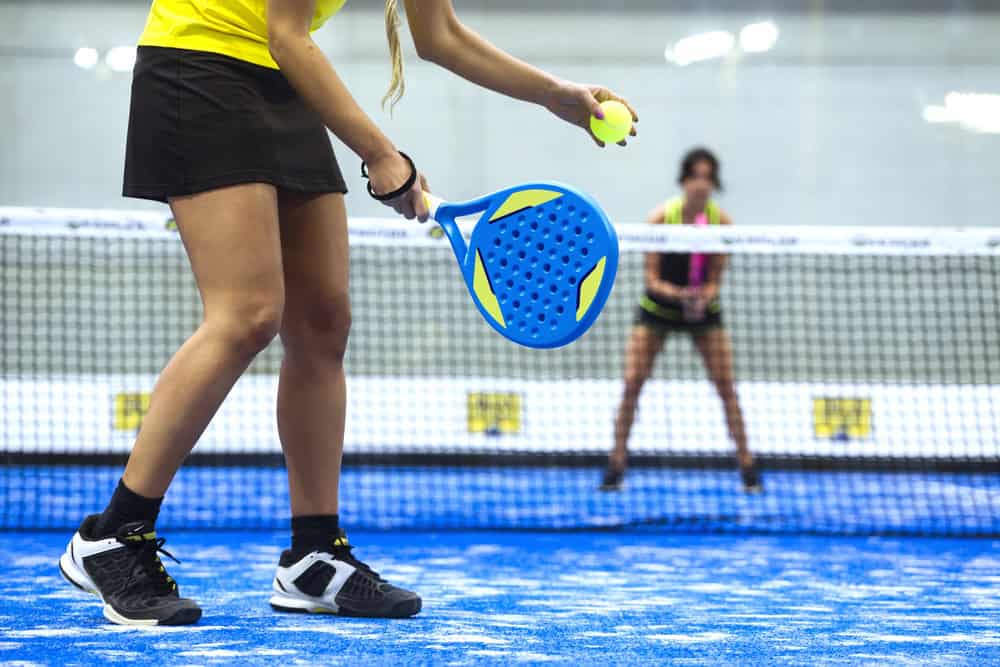
Padel is a racket sport invented in Mexico and popularized across Spain and Latin America before catching on in the United States. It is always played in doubles, two against two, on a court about a quarter the size of a tennis court, enclosed on all sides by glass panels and metal mesh. That enclosure is the defining feature of the sport. The ball can bounce off the back and side walls and still be in play, which turns rallies into a mix of tennis strokes and squash style wall shots.
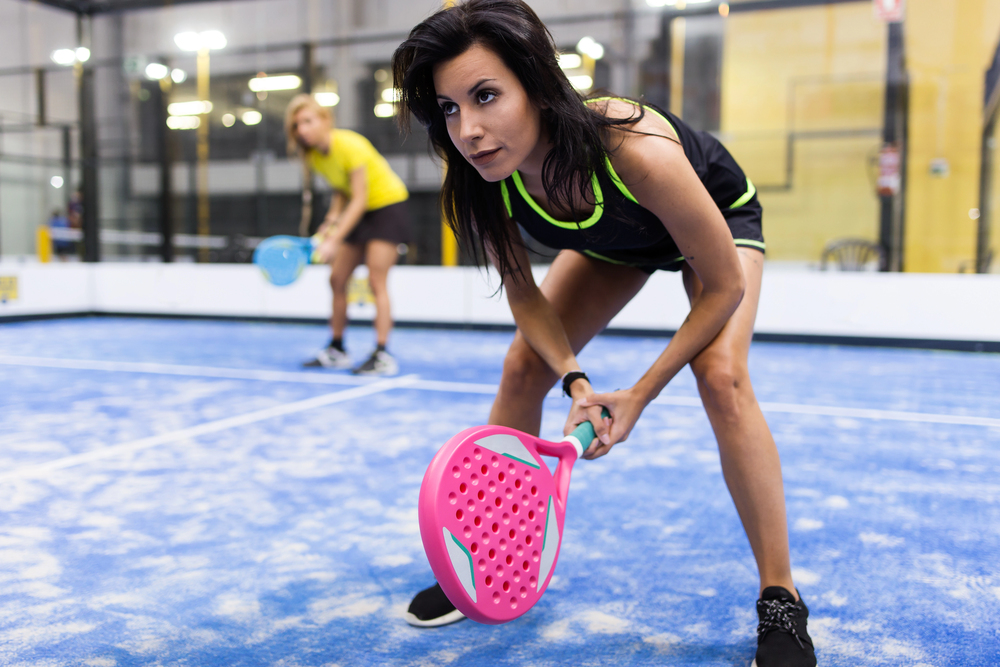
The paddle, called a pala, is solid with no strings, usually made of carbon fiber or fiberglass with a foam core and small holes across the face. The ball looks almost identical to a tennis ball but is pressurized slightly lower, so it bounces less and moves a bit slower through the air. That combination, a smaller court, a solid paddle, and a less lively ball, makes padel far more forgiving for a beginner than tennis. You do not need a big serve or a grooved swing to keep a rally going on your first day.
Growth is the other part of the story. The United States has gone from a handful of padel courts to several hundred spread across dozens of states in a short stretch of time, and industry groups now count well over 100,000 active amateur players nationwide. Florida, Texas, California, and New York currently have the largest concentrations of courts, with Florida alone home to a large share of the national total, but new clubs keep opening in other regions as demand grows. If you are hearing about padel for the first time, you are catching it early rather than late.
Padel vs Pickleball vs Tennis vs Platform Tennis
These four racket sports get lumped together constantly, and the confusion is fair since they overlap in some ways and not others.
Padel and pickleball are both doubles focused and both easier on the body than tennis, but that is where the similarity mostly ends. Pickleball is played on a court close to the size of a badminton court with no walls in play, using a solid paddle and a hard plastic ball full of holes, similar to a wiffle ball. Padel is played on a larger enclosed court where the walls are part of the game, using a padded foam paddle and a low pressure ball closer to a tennis ball.
Pickleball has a no volley zone near the net (often called the kitchen) where smashing the ball out of the air is not allowed. Padel has no such zone, and players actually want to move up to the net together as a team. If you already know pickleball, our guide to simple pickleball rules to get you playing is a good side by side reference while you sort out which sport fits you better.
Tennis is the sport padel borrows its scoring from, using the same 15, 30, 40, game structure, but tennis is played on a much larger unenclosed court with a strung racket that rewards a bigger, more technical swing. Padel’s smaller court and forgiving paddle mean beginners can keep a rally going almost immediately, without years of stroke development.
Platform tennis, sometimes called paddle tennis, is the sport most easily mistaken for padel because it also uses a walled or screened court and a solid paddle. The key differences are that platform tennis is played on a raised platform (often heated for winter play), uses a denser sponge ball, and has its own distinct scoring and strategy built around a cold weather, backyard club tradition in the northeastern United States. Padel is played at ground level, indoors or outdoors, and has a more standardized international rule set. If someone at your local club mentions “paddle,” ask which sport they mean.
For a full side-by-side comparison of cost, difficulty, and access, see our padel vs pickleball guide.
What Padel Costs to Start
A first padel session typically runs $15-$40 per person if you rent a racket and split court time, and a beginner racket runs $70-$150 if you decide to buy one. Court shoes with lateral support and monthly club memberships are the other costs worth budgeting for once you stick with it. For the full cost breakdown, including racket features by price tier and what’s actually worth paying for, see our padel racket guide.
Padel Rules for Beginners
Every point starts with an underhand serve below the waist, and scoring follows tennis’ 15-30-40-game pattern with one big shortcut: the golden point replaces deuce, so games never drag into endless advantage points. The walls are what make padel padel, the ball can bounce off the back or side glass and stay in play as long as you return it before a second bounce on the ground. For the complete rulebook, including faults, positioning, and doubles strategy, see our padel rules guide.
How to Find a Padel Court or Club
The Playtomic app is the closest thing padel has to a universal directory and booking system in the US, letting you search by location, check live court availability, and join an open match without needing your own group. Beyond apps, look for dedicated padel clubs and tennis or racquet clubs that have added padel courts, especially in Florida, Texas, California, or New York. For a full walkthrough of finding a court, booking your first session, and what to wear, see our guide to finding padel courts.
Common Mistakes Beginners Make
Most first time padel mistakes come from habits carried over from other sports.
Players with a tennis background tend to swing too hard and try to overpower every shot, when padel rewards placement and patience far more than raw power. The smaller court punishes hard, flat shots that fly long or into the net, so it pays to take pace off the ball early on. Players also commonly try to serve overhand out of tennis habit, which is not legal in padel since every serve must be underhand.
Positioning is another common issue. New players often crowd the net the moment they get near it, which leaves no time to react to a lob sailing over their heads. A better habit is holding position roughly halfway between the service line and the net until you are actively attacking. Beginners also tend to ignore the lob entirely as an offensive tool, when a well placed lob is one of the simplest ways to reset a point or move confident net players back.
Communication and wall use round out the list. Doubles padel falls apart fast when partners do not call “mine” or “yours” on balls down the middle, and new players often forget the walls exist at all, treating a ball headed toward the glass as a lost point instead of a shot they can still play. Give yourself a few sessions before worrying about wall shots specifically. Getting comfortable with the serve, scoring, and basic positioning is enough for your first few times on court.
Give Padel a Real Try Before You Judge It
Padel rewards people who show up without expectations more than people who show up trying to dominate. The learning curve is short enough that most beginners can keep a rally going within their first session, and the doubles, social format makes it an easy sport to build a regular group around once you find a court you like.
If you are weighing padel against other options, our guides to best hobbies for guys and best hobbies for men in their 20s cover where padel fits alongside dozens of other active and social picks. Padel is more finesse than thrill, so if you are after something with a bigger adrenaline hit, our adrenaline hobbies for thrill seekers guide is worth a look too. And if racket sports in general are not quite it, the master list of interests and hobbies has hundreds of other directions to explore.
FAQ: Padel for Beginners
Is padel hard to learn if I have never played a racket sport?
No. Padel is built for beginners in a way tennis is not, since the smaller court, lower bounce ball, and solid paddle all make it easier to keep a rally going without a technical swing. Most first timers can play a real point within their first ten or fifteen minutes on court, especially in a beginner clinic with a coach walking through the serve and scoring.
How much does it cost to try padel once?
Expect $15-$40 for your first session if you rent a racket and split court time with three other players, or a similar range for a beginner group clinic that includes coaching and loaner gear. You do not need to buy anything to find out if you like it.
Is padel more like tennis or pickleball?
It borrows scoring from tennis and doubles strategy from pickleball, but it plays like neither. The enclosed court and legal wall shots give padel a rhythm closer to squash, layered on top of tennis style scoring, which is why most players describe it as its own sport rather than a hybrid of the other two.
Do I need my own equipment before my first session?
No. Most clubs and clinics rent rackets and provide balls for new players, so there is no reason to buy a racket before you have played a few times. Once you know you want to keep playing, a beginner racket in the $70-$150 range and a pair of proper court shoes are the only two purchases worth making early.