Our hands can make our lifestyle better in more ways than one. One of the best is giving us a way to spend free time on something we enjoy that also leaves us with a result we’re proud of.
To us at Different Hobbies, a productive hobby benefits you in some way, shape, or form, or gives you a result worth showing off. Working with your hands often checks both boxes.
Hobbies that use your hands fully engage your attention while pulling out creativity that most of us don’t tap into during a normal day. They’re also known to improve mood and lift spirits, and several of them build real physical strength and dexterity when practiced regularly.
Sketching, journaling, and clay crafts are the cheapest and easiest hands on hobbies to start this week, carpentry and welding are the most rewarding if you want to build lasting things, and bowling or archery are the best picks if you’d rather stay active. Below are 22 productive, hands on hobbies organized by type, plus 15 more worth trying if you want extra options. For the full range of ideas beyond this list, browse our master list of interests and hobbies.
Disclosure: some links on this page are Amazon affiliate links. As an Amazon Associate I earn from qualifying purchases.
Table of Contents
- Active Hobbies to Do With Your Hands
- Art Hobbies to Bring Out Your Creativity
- Hobbies That Involve Making Something
- More Hands-On Hobbies Worth Trying
- FAQ: Hobbies to Do With Your Hands
Active Hobbies to Do With Your Hands
These hobbies keep your hands busy while also getting your body moving. They’re a good fit if you want a break from screens and a bit of physical challenge along with the hand work.
1. Bowling
Bowling is a well known and loved activity that keeps you moving without requiring much prior skill. Bowling balls weigh 14 to 16 pounds and rolling one accurately takes some arm and core strength, so you’ll feel it in your hands and shoulders after a few games.
It’s a fun way to relieve stress and socialize, and it’s relatively affordable if you play smart. Costs vary based on the bowling alley, how busy it is, and whether you rent or own equipment. It’s worth investing in your own bowling shoes early on, choosing an affordable alley, and staying flexible about when you play to avoid peak pricing.
Cost to start: $20-$60 per session with rentals, $100-$180 if you buy your own shoes and ball | Difficulty: Easy
First step: book a lane at a local alley and rent shoes and a ball for your first two or three visits before buying anything.
2. Archery
Archery is great for the mind and for focus. It also builds self motivation and calmness, though it does demand precision, patience, and steady hands to get good at it.
Small details, like grip and stance, matter more than people expect. There are several styles you can pick from, including target archery in a backyard or range, field archery in the woods, and even combat archery if you’re after a more active, game like version. The bow and arrows you need will vary depending on the style, so it helps to try a few options at a range before buying your own setup.
Cost to start: $150-$400 for a beginner bow, arrows, and a target | Difficulty: Moderate
First step: take an introductory lesson at a local archery range so you can try different bow types before committing to one.
3. Juggling
Juggling is a fun, low cost hobby that sharpens hand eye coordination and reaction time in a way few other activities do. You can start with two or three soft juggling balls and practice simple tosses and catches before moving to more objects. There are several styles worth exploring once you have the basics down, including comedy juggling, contact juggling, and even torch or club juggling for the more adventurous. Beyond the physical skill, juggling has a reputation for boosting focus and even short term memory, since your brain has to track multiple moving objects at once.
Cost to start: $10-$25 for a set of juggling balls | Difficulty: Easy to learn, moderate to master
First step: buy a set of three beanbag juggling balls and practice the basic cascade pattern for ten minutes a day.
4. Fishing
Fishing is a hands on hobby you can do purely for enjoyment, and it comes with a long list of side benefits: stress relief, social time with friends or family, and the quiet pleasure of being outdoors. You can fish in streams, lakes, rivers, or the ocean, and each setting calls for slightly different gear and technique. Casting a rod takes some practice to get right, but the payoff when you land your first fish with your own hands makes the learning curve worth it. It’s also one of the more affordable outdoor hobbies once you own basic gear.
Cost to start: $50-$150 for a rod, reel, tackle, and a local fishing license | Difficulty: Easy
First step: buy a basic rod and reel combo and a local fishing license, then find a stocked pond or lake near you to practice casting.
Art Hobbies to Bring Out Your Creativity
If you’d rather channel your hands into something visual, these art focused hobbies are some of the most accessible ways to start. For more ideas in this direction, our full guide to art hobbies to try has dozens of additional options at every skill level.
5. Sketching
Drawing and sketching are among the simplest ways to spend free time with your hands, and they double as a relaxing, low pressure creative outlet. This hobby supports brain development, memory, and fine motor control, all while giving you something to show for your time.
To start, you just need to pick a subject, look at it closely, and put it on paper. The only essential supplies are a pencil and paper, which you likely already have at home. If you want to get more serious, a proper sketchbook and a set of graphite pencils cost only a few dollars more.
Cost to start: $0-$25 using supplies you likely already own | Difficulty: Easy
First step: pick one object in the room and spend fifteen minutes sketching it without worrying about how it looks.
6. Origami
Origami is an inexpensive hobby that puts your hands to work folding paper into detailed shapes. It builds relaxation, creativity, attention to detail, hand eye coordination, and sequencing skills, since many designs require you to follow a precise series of folds. Origami shows up in therapeutic settings too, including injury and stroke rehabilitation and art therapy programs, because the repetitive folding motion is good for fine motor recovery. Common projects include flowers, animals, boxes, envelopes, ornaments, paper stars, cards, and the classic paper crane.
Cost to start: $5-$15 for paper and a beginner instruction book | Difficulty: Easy
First step: fold a traditional paper crane using a free online tutorial, since it teaches most of the basic folds you’ll reuse later.
7. Clay Crafts
You can make almost anything out of clay, including bowls, beads, toys, home decor, flower pots, dishes, keychains, and other small accessories. Working with clay is linked to real benefits: fine motor skill development, discipline, higher self esteem, sensory engagement, and a strong outlet for self expression. Air dry clay is the cheapest way to start since it needs no kiln or oven, while polymer clay bakes at home in a regular oven for more durable pieces. Once you get comfortable with basic shaping, you can move into more advanced techniques like coiling and slab building.
Cost to start: $20-$60 for clay, basic tools, and a work surface | Difficulty: Easy to moderate
First step: buy a block of air dry clay and shape a simple bowl or bead as your first project.
8. Scrapbooking
Scrapbooking helps you preserve, arrange, and present your personal and family history in a book, card, or box. Everyday items you can include are photographs, artwork, printed keepsakes, souvenirs, ticket stubs, and other mementos that would otherwise end up in a drawer. You can start with just a few easy to find supplies, like an album, scissors, cardstock, and adhesive, and expand into stickers, stamps, and decorative paper as your style develops. It’s a hobby that rewards patience and produces something you’ll actually want to revisit years later.
Cost to start: $30-$80 for an album and basic supplies | Difficulty: Easy
First step: gather twenty photos from one trip or season and build a single themed page before buying a full kit.
9. String Art
String art, sometimes called pin and thread art, involves arranging colored string between points on a board to create geometric patterns or recognizable shapes like animals, flowers, and houses. It’s a satisfying hobby because the finished piece looks far more complex than the actual process, which mostly involves following a simple pattern of nails and wrapping string around them in sequence. To start, you only need a board, nails, string, and a sketch or printed template of what you want to make. It’s also an easy hobby to scale up or down depending on how much time or wall space you have.
Cost to start: $15-$40 for a board, nails, and string | Difficulty: Easy
First step: print a simple geometric template, hammer the nail pattern into a small wood board, and wrap string between the points following the design.
10. Lettering and Modern Calligraphy
Hand lettering is a fun art form that lets you create unique hand written pieces you can use for cards, home decor, or gifts. You can start this hobby with a regular pen or pencil and paper, or move up to specialty brush pens depending on your budget and experience level. Modern calligraphy in particular has become popular for its looser, more personal style compared to traditional formal scripts. Practicing basic strokes before full letters will save you frustration, since the letterforms are built from a small set of repeated movements.
Cost to start: $15-$40 for a set of brush pens and practice paper | Difficulty: Easy to moderate
First step: practice basic upstrokes and downstrokes with a beginner calligraphy brush pen set for ten minutes before attempting full words.
11. Candlemaking
Candlemaking is an easy, popular hobby that helps you unwind as you shape wax into candles of different designs, sizes, and scents. What started as a simple craft has grown into something closer to an art form, with hobbyists developing signature color combinations, layered designs, and custom fragrance blends. If a candle doesn’t turn out the way you pictured, you can usually remelt the wax and try again, which makes it a fairly forgiving hobby to learn. Soy and beeswax are the most beginner friendly wax types since they’re easier to work with than paraffin.
Cost to start: $40-$100 for wax, wicks, molds, and fragrance oil | Difficulty: Easy to moderate
First step: buy a soy wax candle making kit and pour one simple container candle to learn the basic process.
12. Journaling
Journaling lets you keep a record of your thoughts, feelings, daily activities, and other events happening in your life, and it’s one of the most flexible hobbies on this list. Depending on your preference and budget, you can write, draw, or type your entries.
Some people use their computers, while others prefer old fashioned pen and paper for the tactile feel. Journaling can take many forms, including bullet journaling, listing, scrapbook style entries, free writing, morning pages, unsent letters, dream journals, and reading journals. If you already like writing in any form, journaling is one of the easiest hobbies to fold into an existing habit.
Cost to start: $10-$30 for a notebook and pens | Difficulty: Easy
First step: write for five minutes a day about whatever is on your mind, with no editing and no rules about format.
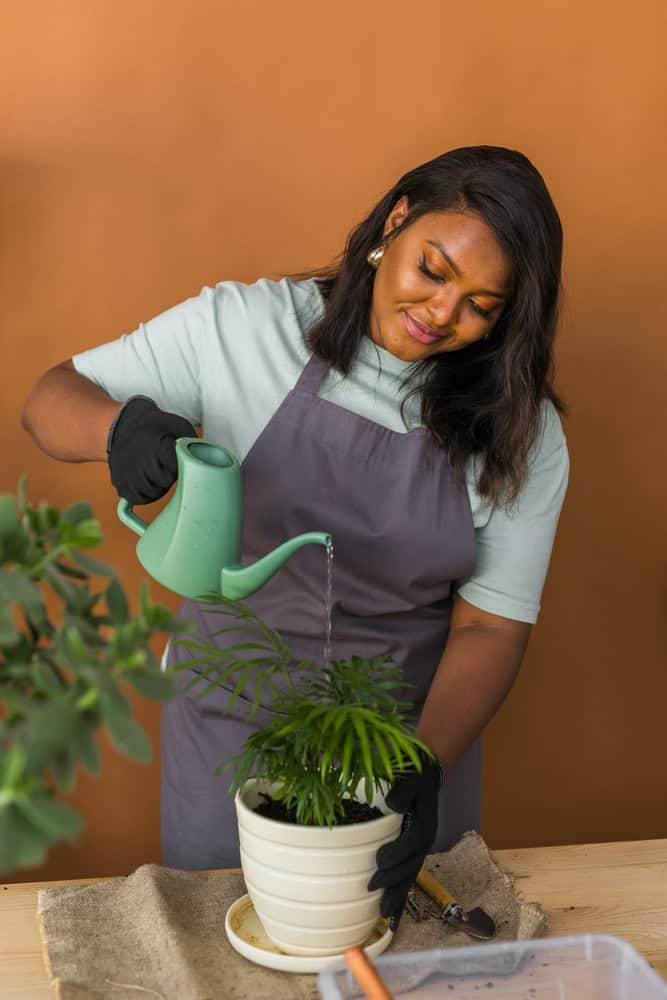
13. Tree and Flower Shaping
Did you know you can shape living trees and flowers into artistic forms of your own design? This hobby trains plants into a chosen structure using techniques like grafting, cutting, bending, framing, pruning, and pleaching. Some of the methods used include instant shaping, gradual shaping over years, pollarding, coppicing, espalier, and the more familiar art of bonsai. Skilled practitioners have even shaped living trees into benches, tables, chairs, and readable words, though those results take patience measured in seasons, not weeks.
Cost to start: $30-$100 for tools, training wire, and a starter plant | Difficulty: Moderate to hard
First step: buy a young, flexible sapling or a beginner bonsai kit and learn basic wiring technique before attempting anything ambitious.
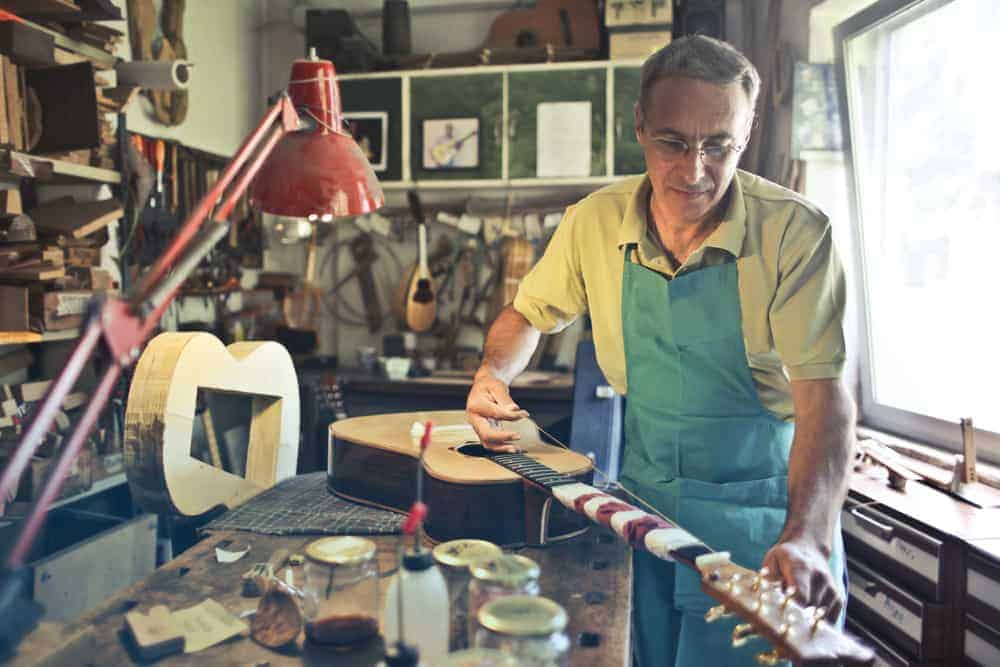
14. Play Instruments
Playing an instrument puts your hands and fingers to work in a way that also builds cognitive skill and coordination over time. It’s a convenient hobby to try before committing, since you can usually borrow or rent an instrument first rather than buying one outright. Good beginner options include guitar, piano, and violin, though smaller instruments like the ukulele are especially forgiving for first timers because of their simpler chord shapes. Regular short practice sessions build hand strength and muscle memory faster than occasional long ones.
Cost to start: $100-$400 for a beginner instrument, or less if you rent | Difficulty: Moderate
First step: rent a beginner guitar or ukulele and learn three basic chords using a free video lesson.
Hobbies That Involve Making Something
This group is for people who want a finished, tangible object at the end of a project, not just a skill. Several of these also double as hobbies for men at home if you’re looking to fill a garage or workshop with something productive.
15. Kite Building
If you love flying kites, learning to build your own is an economical and rewarding way to take the hobby further. Making your own kite lets you tailor it to your exact skill level and the wind conditions where you fly.
There are several kite building methods to try, and DIY kite kits are a good starting point if you’re new to it. Pay close attention to the crossbar, spine, and bridle design, since those three elements determine whether your kite will actually fly well or just spin and crash. Local kite building workshops, when available, are a fast way to pick up techniques you won’t find in a written guide.
Cost to start: $20-$60 for a beginner kit or materials | Difficulty: Moderate
First step: build a simple diamond kite from a beginner kit and test fly it in an open field on a mild windy day.
16. Coding
Learning to code lets you build apps, websites, and small tools for almost any purpose you can imagine. It sharpens problem solving skills, technical know how, and even hand eye coordination as you type and debug. If you enjoy puzzles or logic based challenges, coding scratches a similar itch, and it pairs well with other problem solving hobbies if that’s what draws you to it. Beyond the mental benefits, getting good at coding can open up freelance work or a career change down the line, which is more than most hobbies on this list can offer.
Cost to start: $0-$50 using free resources, more if you take a paid course | Difficulty: Moderate
First step: pick one free beginner course in a language like Python and finish the first three lessons before deciding if you enjoy it.
17. Carpentry
Carpentry is a highly practical hobby that lets you build things around your home or workshop instead of buying them. You can start with small projects like shelving or a simple stool, then work up to furniture, cabinetry, decor, or even a shed or tree house once you’re comfortable. You’ll need to learn to use hand and power tools safely, and following proper safety procedures matters more here than in most hobbies on this list, since the tools can genuinely hurt you if used carelessly. A basic starter tool set will cover most beginner projects.
Cost to start: $100-$300 for basic hand tools and lumber | Difficulty: Moderate
First step: build a simple project like a small shelf using basic hand tools before investing in power tools.
18. Building Lego
Building with Lego is an ideal hobby for adults and kids alike, and it’s more serious than it sounds once you get into the adult fan community. There are countless sets to collect and build, ranging from small quick builds to massive architectural and vehicle sets that take days to complete.
The scale is flexible too, since you can build on a coffee table or dedicate an entire room to a growing collection. Costs add up quickly with larger sets, so it’s worth being selective about which builds you actually want rather than buying everything that looks interesting. If you enjoy the collecting side as much as the building, our guide to collecting as a hobby covers how to do it without it taking over your house.
Cost to start: $20-$200 depending on set size | Difficulty: Easy
First step: buy one mid sized set in a theme you actually like and finish it before buying a second.
19. Welding
Welding is the process of joining metal together through controlled heat, and while it’s an essential trade skill, plenty of hobbyists take it up purely for the enjoyment and the results. You can use welding for art projects, repairs around the house, and custom metal builds. Practical beginner projects include simple furniture frames, garden decor, small repairs, and workshop fixtures. This is one of the more demanding hobbies on this list, both in cost and in the safety gear required, including a proper welding helmet, gloves, and protective clothing, so it’s worth taking an introductory class before buying equipment.
Cost to start: $300-$800 for an entry level welder and safety gear | Difficulty: Hard
First step: take a beginner welding class at a local community college or makerspace before buying your own equipment.
20. Puzzles
Puzzles come in more designs, sizes, and difficulty levels than most people realize, and they’re one of the most low pressure hands on hobbies you can pick up. Popular options include traditional jigsaw puzzles, mechanical puzzles like the Rubik’s Cube, and logic puzzles such as 2048 style sliding tile games. Working a puzzle with your hands, rather than on a screen, forces a slower pace that a lot of people find genuinely relaxing after a long day. Jigsaw puzzles in particular are easy to pick up and put down over several sittings, which makes them a good fit for a busy schedule.
Cost to start: $10-$40 for a jigsaw or mechanical puzzle | Difficulty: Easy
First step: buy a 500 to 1000 piece jigsaw puzzle in a subject you like and set it up somewhere you’ll actually walk past daily.
21. Tinkering
Tinkering means repairing or improving things in a casual, exploratory way, and it’s an ideal hobby if you like taking things apart, reverse engineering them, or just messing around with how stuff works. It lets you enhance, mend, or repurpose objects into something more useful or interesting. Popular tinkering projects include basic electronics, small engine or car customization, watch repair, woodworking, model making, leatherworking, and PC building. Because it’s more of a mindset than a single skill, tinkering tends to grow naturally into whatever specific craft catches your interest next.
Cost to start: $20-$75 for a basic toolkit and scrap materials | Difficulty: Easy to moderate
First step: take apart an old, broken electronic device you already own just to see how it’s built, then try to fix or repurpose one part.
22. Machining
If you enjoy drilling, cutting, polishing, and milling with precision tools, machining is the hobby for you. It lets you create custom parts, fix broken components, or simply experiment with different materials on a lathe or mill. There’s a real learning curve here, since machining rewards precision and patience more than almost anything else on this list, but once you’re past the basics there’s no shortage of projects to keep you busy. Many hobbyists start at a local makerspace with shared equipment before investing in a home setup, which keeps the upfront cost far lower.
Cost to start: $0-$50 for makerspace access, $500-$2,000 or more for home equipment | Difficulty: Hard
First step: find a local makerspace with a mini lathe or mill and take an orientation class before buying any equipment of your own.
Just Get Started
Using your hands can create the kind of fulfillment that’s hard to get from screen time alone. Hobbies you do with your hands almost always leave you with something to show for the effort, which makes the payoff even better.
From building to drawing, our hands are a genuinely versatile tool. Find something on this list that appeals to you and just get started. As with most things, the only way to get better is to actually try it. You can’t improve at a hobby you haven’t picked up yet.
If you have limited use of one hand or reduced grip strength, several of the hobbies above, like journaling, sketching, and puzzles, adapt well with minor adjustments, and our guide to one handed hobbies to try has more options built specifically around that. And if you want to see the full range of hobbies beyond hands on ones, the master list of interests and hobbies covers everything from quiet indoor pastimes to full blown outdoor adventures.
More Hands-On Hobbies Worth Trying
These extra picks come from readers who wanted even more options beyond the 22 above. Each one is genuinely hands on, and most cost less than a dinner out to try.
Crocheting. Turn a hook and a skein of yarn into blankets, hats, and amigurumi toys. $15-$35, easy.
Drawing Children’s Books. Combine simple sketches and short text into illustrated stories for kids. $15-$40, moderate.
Wig Making and Application. Learn to construct and style wigs from wefts and lace fronts. $50-$150, moderate.
Making Lip Gloss. Mix oils, flavoring, and pigment into small batches of custom lip gloss. $20-$50, easy.
Soap Making. Blend oils and a lye solution, or use a melt and pour base, into custom bar soap. $30-$80, moderate.
Sculpting. Shape clay, wood, or stone into three dimensional figures and forms. $25-$70, moderate.
Basket Weaving. Weave reed, willow, or vine into functional baskets and trays. $20-$50, moderate.
Tie-Dye. Twist, fold, and dye fabric into colorful, one of a kind patterns. $15-$35, easy.
Making Yarn Dolls. Wrap and tie yarn into simple handmade dolls, no crochet hook required. $10-$25, easy.
Concrete Planters. Pour and mold concrete into small planters and decor pieces. $20-$45, moderate.
Jewelry Making. Combine beads, wire, and clasps into necklaces, earrings, and bracelets. $25-$60, easy.
Making Hair Accessories. Craft clips, bows, and headbands from fabric, beads, and ribbon. $15-$35, easy.
Handmade Paper Gift Boxes. Fold and assemble custom paper boxes for gifts and keepsakes. $10-$25, easy.
Making Board Games. Design the rules, art, and pieces for a playable original board game, a fun crossover if you already enjoy collecting as a hobby. $20-$60, moderate to hard.
Embroidery. Stitch thread onto fabric to create decorative designs and patterns. $15-$35, easy.
FAQ: Hobbies to Do With Your Hands
What is the best hobby to do with your hands for a total beginner?
Sketching, journaling, and origami are the easiest starting points because they need almost no equipment and no prior skill. All three can be picked up in an afternoon with supplies you likely already own, which makes them a low risk way to find out if hands on hobbies are for you before spending more on gear.
Can hobbies that use your hands really reduce stress?
Yes. Repetitive hands on activities like knitting, journaling, and clay work engage the parts of your brain involved in focus and fine motor control, which tends to quiet down anxious or repetitive thoughts. Many hobbyists describe it as similar to a light meditative state, especially with tasks that have a steady, repeated motion.
What if I have limited hand mobility or only one working hand?
Plenty of hands on hobbies adapt well with small changes, including journaling, sketching, puzzles, and certain crafts with adaptive tools. Our full guide to one handed hobbies to try goes deeper into specific adaptations and hobby picks built around limited mobility.
How much does it cost to start a hands on hobby?
Most of the hobbies on this list cost under $50 to try for the first time, especially sketching, origami, journaling, and puzzles. A smaller number, like welding and machining, need a bigger investment or access to shared equipment at a makerspace, so it’s worth trying a cheaper hobby first if you’re not sure hands on crafts are for you.