Turning 60 doesn’t shrink your options. It finally gives you the time to use them. Whether you’re fully retired, semi-retired, or just seeing more open weekends than you used to, the right hobby does three jobs at once: it keeps your body moving, keeps your mind working, and keeps you around other people. Research on aging consistently links all three to better health outcomes.
This list was fully updated for 2026. For every hobby, you’ll find what it roughly costs to get started, how hard it is to pick up, and a concrete first step, because “gardening is relaxing” doesn’t help you actually start gardening.
Disclosure: some links on this page are Amazon affiliate links. As an Amazon Associate I earn from qualifying purchases.
Jump to a category:
Outdoor & Active Hobbies
1. Golf
Still the classic for a reason: it’s low-impact exercise, it’s outdoors, and it’s built around conversation. A round at a municipal course typically runs $30-$80, and a decent used set of clubs can be found for $150-$300. Don’t buy new until you know you’ll stick with it. Walking the course instead of taking a cart turns 18 holes into a 4-5 mile workout.
Difficulty: Moderate. Expect a humbling first season. First step: Book a group lesson at your local course; most pros offer senior packages.
2. Fishing
Fishing rewards exactly what you have more of now: patience and unhurried mornings. Startup is cheap. A reliable rod-and-reel combo costs $40-$80, and state fishing licenses generally run $25-$70 per year. It scales with your ambition, from a lawn chair at the local pond to fly fishing trips.
Our beginner’s guide to starting a fishing hobby covers gear and first-trip basics. Difficulty: Easy to start, lifetime to master. First step: Buy your state license online and find your nearest stocked lake.
3. Pickleball
The fastest-growing sport in America for the 60+ crowd, and it earns the hype: smaller court than tennis, slower ball, easier on the knees, and doubles play means you’re socializing the whole time. Paddles run $50-$150 and most community centers now have dedicated courts with drop-in sessions. If you can walk briskly, you can play pickleball. Start with our simple pickleball rules guide.
Difficulty: Easy. Most people rally on day one. First step: Search “[your town] pickleball drop-in” and you’ll almost certainly find beginner sessions near you.
4. Hiking
Hiking is free, scalable, and one of the best things you can do for cardiovascular health and balance as you age. Start with flat, well-marked trails and work up. The only real investment is proper footwear ($100-$180 for good trail shoes or boots) and trekking poles ($30-$100), which take meaningful load off your knees on descents.
Difficulty: Easy. You choose the trail. First step: Find one local trail rated “easy,” walk it this week, and log how it felt.
5. Walking
Underrated because it’s unglamorous, but a daily walking habit is the single most sustainable fitness hobby there is: zero cost, zero learning curve, and it pairs with podcasts, photography, or a walking group. We wrote a full post on walking as a hobby if you want to turn strolls into something more structured. Difficulty: None.
First step: Same route, same time, five days in a row. Habit first, distance later.
6. Birdwatching
Birdwatching sneaks exercise, learning, and mindfulness into one hobby. A solid pair of 8×42 binoculars costs $100-$300 (buy once, cry once, because cheap binoculars frustrate beginners), and free apps like Merlin identify birds by song, which has made the hobby dramatically easier to start than it was a decade ago. Difficulty: Easy. First step: Download a free bird ID app and identify five birds in your own yard.
7. Running
Plenty of men run well into their 70s and 80s. The key after 60 is surface and recovery: favor trails, tracks, or treadmills over pavement, and build in rest days. Proper running shoes ($100-$160, replaced every 300-500 miles) are the only real cost.
If running feels like too much, brisk walking delivers most of the benefit. If you want structure, look at whether working out counts as a hobby. We’d argue it does.
Difficulty: Moderate. Start with walk-run intervals. First step: 20 minutes, alternating 1 minute jogging with 2 minutes walking.
8. Boating
Nothing on this list feels quite like being on the water. Yes, ownership is expensive, but you don’t have to own. Boat clubs and rentals let you spend $300-$700 a season instead of five figures, and many marinas run senior-friendly sailing courses. Boating also pairs naturally with fishing.
Difficulty: Moderate. Take a safety course first. First step: Look up boat rental or club day-pass prices at your nearest lake or marina.
9. Hunting
Hunting demands patience, planning, and early mornings, and it puts food on the table. Costs vary widely by game and state (licenses, tags, and a starter firearm or bow put realistic entry around $500-$1,000), and most states require a hunter safety course, which is a good structured way in. Many areas offer senior license discounts.
Difficulty: Moderate to hard, with a real regulatory and skill learning curve. First step: Enroll in your state’s hunter education course.
Hands-On & Workshop Hobbies
10. Woodworking
The king of retirement workshop hobbies. Start smaller than you think: a cutting board or birdhouse teaches you more than an ambitious cabinet you never finish. You can begin with hand tools for $150-$300, and power tools come later as projects demand them. The woodworking community is famously generous.
Local guilds and makerspaces often have senior members happy to teach. Difficulty: Moderate. First step: One birdhouse, hand tools only, this month.
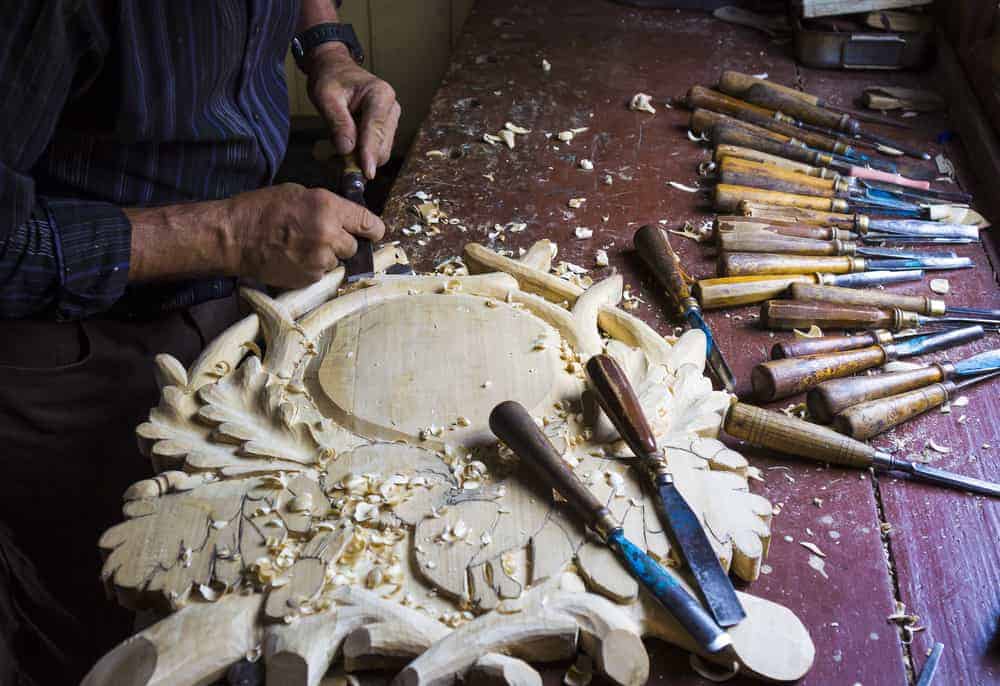
11. Wood Carving
Woodworking’s quieter, cheaper cousin: you can carve at the kitchen table. A beginner knife set and strop run $30-$60, basswood blanks cost a few dollars each, and whittling a simple figure takes an afternoon. It’s meditative in a way few hobbies match, and finished carvings make genuinely appreciated gifts.
Difficulty: Easy to start. First step: buy a basswood whittling kit and carve the included beginner project.
12. Gardening
Gardening is therapeutic, productive, and gently physical. Digging, kneeling, and carrying keep you mobile in ways a gym doesn’t. Raised beds ($100-$300 to build) save your back and knees and are the smart setup after 60. Start with forgiving crops: tomatoes, zucchini, herbs.
A packet of seeds costs $3 and teaches you everything. Difficulty: Easy. Plants want to grow. First step: One raised bed or three large containers this spring.
13. Model Building
Cars, aircraft, ships, railways. Model building rewards precision and patience, and the hobby has quietly boomed with better kits and airbrush tech. Starter kits run $20-$60, and a full setup with paints and tools is under $150. It’s also a gateway to the miniatures world.
See our beginner’s guide to collecting miniatures. Difficulty: Easy to start; detail work deepens with skill. First step: Buy a “skill level 2” plastic kit in a subject you love.
14. Restoring Classic Cars
The deep end of hands-on hobbies: real money (project cars start around $5,000-$15,000 plus parts), real skills, and real payoff. If full restoration is too much, start adjacent. Join a local car club, help a friend’s build, or maintain a driver-quality classic rather than a show car. The community and conversations are half the hobby.
Difficulty: Hard. Mechanical skills and budget required. First step: Attend a local cars-and-coffee meet and talk to owners before buying anything.
15. Cooking
Cooking is the rare hobby that pays for itself: better meals, better health, and a skill your family directly benefits from. Pick a lane to make it a hobby rather than a chore, like bread baking, smoking meats, or mastering one cuisine. A decent chef’s knife ($40-$100) and one good cookbook beat a drawer of gadgets. Difficulty: Easy.
You already eat three times a day. First step: Master one dish completely. Same recipe, five times, until it’s yours.
16. Metal Detecting
Part treasure hunt, part history lesson, part 10,000 steps. Entry-level detectors from reputable brands run $150-$300 and hold resale value well. Beaches, old parks, and (with permission) old homesteads are classic hunting grounds.
Every find, whether a wheat penny or an old button, comes with a research rabbit hole attached. Difficulty: Easy. First step: Check your city’s rules on detecting in public parks, then start on a beach if you’re near one.
Creative & Mind Hobbies
17. Photography
You likely already own the camera. Modern smartphones are legitimately capable, so the startup cost is zero and the upgrade path (used mirrorless bodies from $400) is optional. Photography pairs with everything else on this list: hikes, birds, grandkids, travel. Pick one subject and shoot it repeatedly.
Constraint is what builds the skill. Difficulty: Easy to start, endless ceiling. First step: 100 photos of one subject this week, then pick your best five.
18. Painting
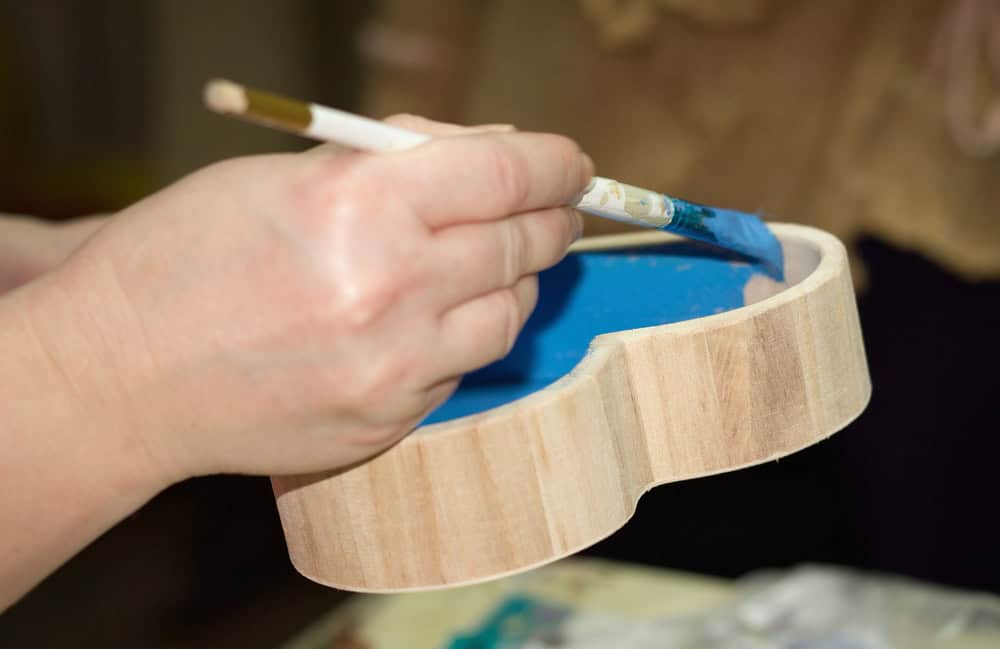
Painting builds patience and fine motor control, and acrylics have made it cheap and forgiving. Paint dries fast and mistakes paint over. A starter set (paints, brushes, canvas boards) costs $40-$80. Watch one tutorial, copy it badly, repeat.
If painting clicks, our list of 65 art hobbies to try has plenty of adjacent directions. Difficulty: Easy to start. Ignore your inner critic for the first ten canvases. First step: Acrylic starter kit plus one follow-along video tutorial.
19. Playing a Musical Instrument
Learning an instrument after 60 is one of the best documented ways to exercise memory and coordination together. Guitar, keyboard, ukulele, and harmonica are the friendliest entries. A playable beginner guitar or keyboard runs $150-$300, a harmonica $30-$50. Twenty minutes of daily practice beats a weekly two-hour session.
Difficulty: Moderate. Expect three months before it sounds like music. First step: Rent or buy a beginner instrument and commit to 20 minutes a day for 30 days.
20. Reading
Reading stays on this list because done deliberately, it’s a genuine hobby rather than a pastime: reading through an author’s whole catalog, a history era, or a genre, and keeping notes. It’s also effectively free, since your library card includes e-books and audiobooks through apps like Libby. Pair it with a book club and it becomes a social hobby too.
Here’s our case for reading as a hobby. Difficulty: None. First step: Pick a theme for the year, like “the American West” or “every Le Carré novel,” and read in sequence.
21. Genealogy
Genealogy turns your own family into a detective story, and after 60 you hold an advantage younger researchers don’t: living memory and access to the oldest generation. Start free with FamilySearch and public records. The paid subscription sites become worth it once you’re hooked.
Interview your oldest relatives first, because records wait and people don’t. Difficulty: Easy to start, genuinely absorbing. First step: Record a one-hour conversation with your oldest living relative this month.
22. Wine Tasting
Wine tasting works as a hobby when it’s structured: taste deliberately, keep notes, compare regions and vintages rather than just drinking what’s on sale. Local tasting rooms and wine shops run guided evenings ($20-$50), which are equal parts education and social night. The history and geography rabbit holes run deep.
Difficulty: Easy. First step: Attend one guided tasting and take notes on all six pours.
Social Hobbies
23. Volunteering
The research on purpose and longevity is hard to ignore, and volunteering is the most direct way to buy purpose with time. Your professional skills are the asset here. Retired tradesmen, managers, and accountants are exactly what food banks, Habitat builds, and nonprofits are short of.
It costs nothing and puts structure back into a week. Difficulty: None. First step: One two-hour shift somewhere your working-life skills apply.
24. Playing Cards & Games
Regular card games are stealth cognitive training and guaranteed social contact, the two things retirement quietly removes. Bridge in particular has a devoted senior scene with formal lessons. Poker, euchre, cribbage, and chess all work. Community and senior centers nearly always have standing games looking for players.
For more brain-first options, see our 29 problem-solving hobbies. Difficulty: Easy. First step: Drop in on one scheduled game at your local community center this week.
25. Traveling
Travel after 60 is better than travel at 30 because you have the time to go slow. The trick that makes it a hobby rather than an occasional splurge: themed trips. Follow a battlefield trail, a wine region, national parks, or your genealogy research. Shoulder-season travel (May, September) cuts costs 30-40% and skips crowds.
Difficulty: Easy. Planning is half the fun. First step: Pick a theme and plan one trip for the next shoulder season.
26. Collecting
Coins, stamps, vinyl, watches, militaria, fountain pens. Collecting is equal parts hunt, research, and community. Set a lane and a budget before you start. Focused collections (“Roosevelt dimes,” not “coins”) stay affordable and satisfying.
Our guide to collecting as a hobby covers 12 solid starting categories. Difficulty: Easy. The discipline is in the budget. First step: Pick one narrow category and set a monthly ceiling.
27. Motorcycling
For some men this is the retirement hobby: freedom, fresh air, and a built-in social scene of riding clubs and Sunday routes. Be honest about physical fit. Reaction time and strength matter, so consider a lighter bike or a trike, take a refresher safety course (many insurers discount for it), and never skip the gear.
Difficulty: Moderate, with real safety stakes. First step: Book an MSF refresher course before buying or dusting off a bike.
FAQ
What is the most popular hobby for men over 60? Golf, fishing, and woodworking consistently top surveys of retired men’s hobbies, with pickleball the fastest-growing addition in the 60+ age group over the past few years.
What are the cheapest hobbies to start? Walking, reading (free via your library), birdwatching with an app, playing cards, and volunteering all cost essentially nothing to begin. Wood carving and fishing are under $100.
Which hobbies are best for staying mentally sharp? Hobbies that combine learning with hand-eye work show the strongest associations with cognitive health: musical instruments, genealogy research, model building, and strategy games like bridge and chess.
How do I choose if I don’t know what I’d enjoy? Pick three low-cost options from different categories (one active, one hands-on, one social) and give each an honest month. Keeping the hobby that survives is a better filter than any list, including this one.
Find the One That Sticks
The best hobby for a man over 60 isn’t the healthiest one or the most impressive one. It’s the one you’ll still be doing in six months. Start cheap, start this week, and let the hobby earn its gear upgrades. If nothing here grabbed you, our master list of 136+ hobbies and interests casts a much wider net, and our 18 unusual hobbies for seniors roundup is worth a look if you want something further off the beaten path.