
The best indoor hobbies for staying entertained at home are painting, puzzling, reading, indoor gardening, and learning an instrument, because each one needs little to no outdoor space and can flex around a small budget. Whether you’re stuck inside for the weather, live somewhere without much outdoor access, or just want a low-key evening hobby, there is a real option here for almost every interest and skill level. Below are 25 of them, organized by type, each with what it actually costs, how hard it is to pick up, and a concrete first step.
Disclosure: some links on this page are Amazon affiliate links. As an Amazon Associate I earn from qualifying purchases.
Jump to:
- Creative and Artistic Hobbies
- Games, Puzzles, and Strategy Hobbies
- Crafting and Hands-On Hobbies
- Music, Learning, and Mind Hobbies
- Wellness and Home Hobbies
- FAQ
Creative and Artistic Hobbies
1. Watercolor Painting
Watercolor is one of the most forgiving ways into painting because mistakes blend into the next layer instead of ruining the piece outright. All you need is paper, a basic paint set, and a couple of brushes, no easel or studio required, which makes it genuinely apartment-friendly.
Cost to start: $20-$40 for a beginner set with paper. Difficulty: Easy. First step: pick up a beginner watercolor set like this one and spend one evening just practicing water control on scrap paper before attempting a real subject. For more painting and drawing options, see the full art hobbies guide.
2. Adult Coloring Books
Structured coloring books took off as a genuine stress-relief hobby, not just a kids’ activity, and the appeal holds up: no blank-page anxiety, just pick a page and a color. It’s the lowest-effort entry on this entire list.
Cost to start: $10-$20 for a book and colored pencils. Difficulty: Easy. First step: grab one coloring book in a theme you actually like (mandalas, nature, whatever) rather than a generic one, you’ll stick with it longer.
3. Journaling
Journaling covers a lot of ground, from daily reflection to bullet journaling to gratitude lists, and all of it works with nothing more than a notebook and a pen. It’s one of the few hobbies with real, replicated mental health research behind it for stress and mood.
Cost to start: $10-$25 for a notebook and pens. Difficulty: Easy. First step: write for five minutes a day for a week before worrying about format or prompts.
4. Calligraphy
Calligraphy is a slower, more deliberate hobby than regular handwriting practice, and a genuinely useful one, hand-lettered cards and envelopes are a nice personal touch. It takes more patience than watercolor or coloring to see real progress.
Cost to start: $15-$35 for a brush pen set or a dip pen and ink. Difficulty: Moderate. First step: practice basic strokes with a beginner brush pen set before attempting full letters.
5. Candle Making
Candle making is a genuinely productive indoor hobby, you end up with something you’d otherwise buy anyway, and it scales from a single starter kit to a real side project. It does involve melting wax on a stove or hot plate, so it needs a bit more setup care than the other creative items here.
Cost to start: $25-$50 for a beginner kit with wax, wicks, and a container or two. Difficulty: Moderate. First step: buy a soy wax starter kit that includes fragrance oil so you’re not guessing at ratios on your first try.
Games, Puzzles, and Strategy Hobbies
6. Jigsaw Puzzles
Puzzling has had a real resurgence as a screen-free way to unwind, and it works solo or as a shared activity at the kitchen table. The only real cost is buying new puzzles as you finish them, since there’s no ongoing gear to maintain.
Cost to start: $15-$25 per 500-1,000 piece puzzle. Difficulty: Easy. First step: start with a 500-piece puzzle like this cozy Ravensburger one in a subject you find genuinely interesting, not the hardest one you can find.
7. Chess
Chess is one of the deepest hobbies on this list, you can spend a lifetime improving and never run out of new ideas, but it’s also one of the easiest to start for free using an app. A physical board is a nice upgrade once you’re hooked.
Cost to start: $0 to start on an app, $15-$40 for a decent physical set. Difficulty: Moderate to learn the rules, high to actually get good. First step: play a few games on a free app like Chess.com or Lichess before buying a board like this magnetic wooden set. See more strategy-heavy options in the problem solving hobbies guide.
8. Board Games
Board games have moved well past Monopoly, modern “gateway” games like Ticket to Ride or Catan are genuinely well-designed and easy to learn in one sitting. It’s a great hobby for building a regular game night with friends.
Cost to start: $20-$50 per game, most people start with 2-3 in different styles. Difficulty: Easy. First step: pick one cooperative and one competitive gateway game to cover different moods and group sizes. The full board game collecting guide covers how to build out a real collection and store it properly.
9. Video Gaming
Gaming is a legitimate hobby with real social, creative, and even career-adjacent upsides (streaming, game design, esports), not just a way to kill time. It scales from a phone game to a full setup depending on budget.
Cost to start: $0 on a phone or existing device, $200-$500 for a budget console. Difficulty: Easy to start, high ceiling to master. First step: pick one genre you’re curious about (puzzle, strategy, cooperative) rather than trying everything at once. The hobbies for gamers guide has a full breakdown of gaming-adjacent hobbies too.
10. Escape Room Kits and Puzzle Boxes
Tabletop escape-room-style puzzle boxes bring the locked-room puzzle format home, no booking or travel required, and they’re genuinely challenging for a group of 2-4 people. Most are one-and-done, so it works best as an occasional hobby rather than a daily one.
Cost to start: $20-$40 per puzzle box or escape room game. Difficulty: Moderate. First step: buy one designed for beginners (most brands label difficulty clearly) and try it with a friend before buying a harder one.
Crafting and Hands-On Hobbies
11. Crochet
Crochet uses one hook instead of two needles, which makes it easier to pick up than knitting for most total beginners, and it’s had a real resurgence on social media. You can make something wearable within your first few projects.
Cost to start: $15-$30 for a beginner crochet kit like this one, which bundles hooks and yarn together. Difficulty: Easy to learn basics, moderate to advance. First step: learn the single crochet stitch first and make a simple dishcloth or coaster before attempting anything shaped.
12. Knitting
Knitting takes a bit longer to feel natural than crochet since you’re managing two needles at once, but it produces a different look and is worth learning on its own.
Cost to start: $15-$35 for a beginner needle and yarn set. Difficulty: Moderate. First step: learn the knit and purl stitches with a simple scarf pattern before trying anything with shaping.
13. Rug Tufting
Rug tufting is one of the more satisfying hands-on crafts to pick up right now, you use a tufting gun to punch yarn through fabric and end up with a real, usable rug or wall hanging in a single session. It’s a bigger upfront cost than most crafts on this list because of the gun.
Cost to start: $80-$150 for a beginner tufting gun and backing cloth. Difficulty: Moderate. First step: start with a small piece (a coaster or mini rug, not a full-size rug) to learn gun control first. The full rug tufting for beginners guide covers real startup costs and the gun-buying decision in detail.
14. Model and Miniature Building
Building and painting scale models or tabletop miniatures is a genuinely deep hobby, plenty of people spend years working through a single army or collection, and it fits well in a small dedicated corner of a room.
Cost to start: $30-$60 for a starter kit with basic paints and brushes. Difficulty: Moderate. First step: pick one beginner-friendly starter set rather than buying a large collection up front. The Warhammer miniatures guide and the general miniature collecting guide both cover getting started in depth.
15. Scrapbooking
Scrapbooking is part craft and part memory-keeping, you’re combining photos, memorabilia, and decorative paper into a book that actually gets looked at again, unlike most photos that sit in a phone forever.
Cost to start: $20-$40 for a starter album and basic supplies. Difficulty: Easy. First step: pick one event or trip to scrapbook first rather than trying to catch up on years of photos at once.
16. Origami
Origami needs nothing but paper, which makes it one of the cheapest and most portable hobbies on this entire list, and it genuinely improves hand-eye coordination and patience.
Cost to start: $0-$15 for a pack of origami paper. Difficulty: Easy to start, high ceiling for complex models. First step: learn 3-4 simple folds (crane, box, simple flower) from free video tutorials before attempting a complex design.
Music, Learning, and Mind Hobbies
17. Learning an Instrument
Learning an instrument as an adult is entirely realistic, you’re not trying to become a professional, just building a real skill for enjoyment, and apps have made self-teaching far more accessible than it used to be. Ukulele and keyboard are the two most beginner-friendly starting points.
Cost to start: $50-$120 for a beginner ukulele or keyboard. Difficulty: Moderate, requires regular practice to see progress. First step: pick one instrument, commit to 15 minutes a day for a month, and use a structured beginner app or a few YouTube lesson series rather than guessing.
18. Language Learning
Language learning is one of the most accessible self-paced hobbies available, free apps get you real conversational basics before you ever need to spend money on a course or tutor.
Cost to start: $0 on a free app, $10-$15/month for a paid tier if you want more structure. Difficulty: Moderate, requires consistency. First step: pick one language tied to a real reason (travel, family, a show you love) and commit to daily short sessions rather than occasional long ones.
19. Reading
Reading is the most universally accessible hobby on this list, a library card gets you unlimited access for free, and it pairs naturally with almost every other hobby on here as a wind-down activity.
Cost to start: $0 with a library card, $10-$20/book if buying. Difficulty: Easy. First step: get a library card and pick one book in a genre you already like, rather than starting with something you think you “should” read.
20. Home Cooking and Baking
Cooking and baking are genuinely productive hobbies, you end up with dinner or dessert either way, and there’s essentially no ceiling on how deep you can go with technique. It’s also one of the more social hobbies on this list since it’s easy to cook or bake with someone else.
Cost to start: $0-$30 if you already have basic kitchen equipment, more for specialty gear like a stand mixer. Difficulty: Easy to start, high ceiling to master. First step: pick one recipe slightly outside your comfort zone and make it once a week until it’s easy, then move to the next one.
Wellness and Home Hobbies
21. Yoga
Yoga is one of the few indoor hobbies that’s also genuinely good exercise, and it needs almost no equipment or space, a mat and a few square feet of floor is enough. Free video classes make it easy to start without a studio membership.
Cost to start: $15-$30 for a mat. Difficulty: Easy to start, moderate to progress in poses. First step: follow a free 20-minute beginner video series at home for two weeks before deciding whether to invest in a studio membership.
22. Meditation
Meditation is the lowest-cost hobby on this entire list, since it needs literally nothing beyond a quiet few minutes, and it has real, well-replicated research behind it for stress and focus.
Cost to start: $0, or $0-$70/year for a guided app subscription if you want structure. Difficulty: Easy to start, takes consistency to feel the benefit. First step: try a free 10-minute guided session daily for one week before deciding if a paid app is worth it. More mind-focused hobby ideas are in the problem solving hobbies guide.
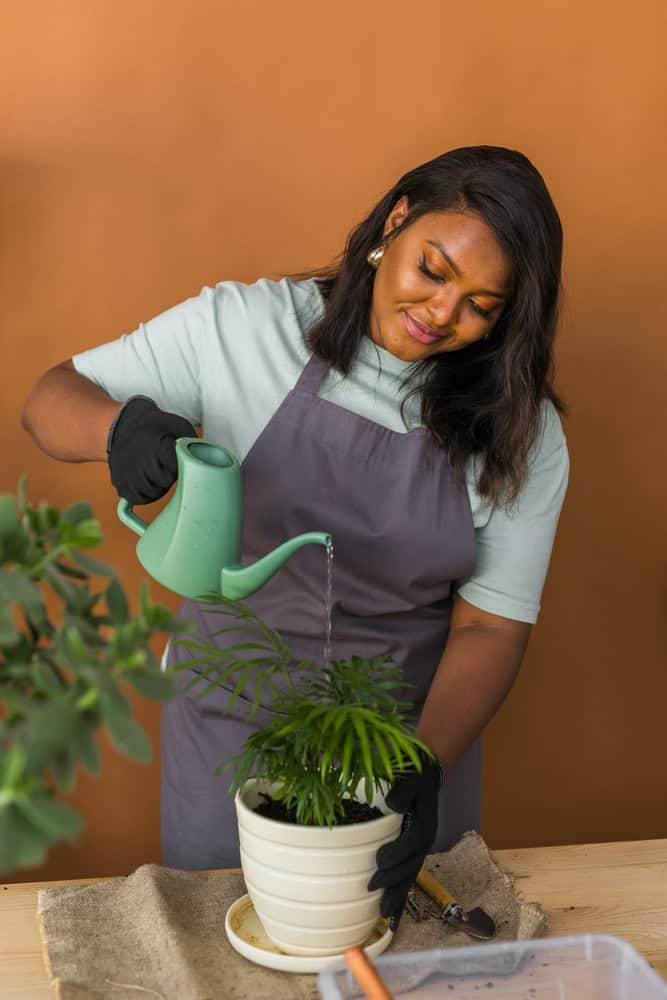
23. Indoor Plant Care
Houseplants are a genuinely satisfying hobby for people without any outdoor space, and it scales from one low-maintenance pothos on a windowsill to a full plant-filled room.
Cost to start: $10-$30 for a couple of beginner-friendly plants and basic soil. Difficulty: Easy for low-maintenance varieties, moderate as you add more demanding plants. First step: start with one or two genuinely hard-to-kill plants (pothos, snake plant) before trying anything finicky.
24. Home Aquarium Keeping
An aquarium is a bigger commitment than most items on this list, but it’s a real, ongoing hobby with a lot of depth, from a simple betta bowl to a planted community tank. It needs more research up front than most indoor hobbies to avoid killing fish by accident.
Cost to start: $40-$100 for a small starter tank, filter, and heater setup. Difficulty: Moderate, more research-heavy than hands-on at the start. First step: research a full beginner-friendly setup (tank size, cycling the water, appropriate fish) before buying any fish.
25. Collecting
Collecting is really a whole category of hobbies rather than one thing, coins, comic books, vinyl, board games, pens, bottle caps, and dozens of other categories all work the same way: pick a focus, start small, and learn what makes an item valuable or interesting.
Cost to start: varies widely, from $0 (found items) to $50+ depending on the category. Difficulty: Easy to start, moderate to build real expertise. First step: pick one specific category you’re already a little curious about rather than trying to collect broadly, then read up on what separates a common item from a genuinely valuable one. The full guide to collecting as a hobby is a good starting hub, with links out to deep guides on comic books, board games, and more.
How to Pick Your First Indoor Hobby
If you’re not sure where to start, pick based on budget and energy level rather than trying to find the “best” one. For $0-$20 and low energy: reading, meditation, journaling, or origami. For a bit more investment and a hands-on itch: crochet, watercolor painting, or rug tufting. For something social: board games, cooking, or a group puzzle.
There’s no wrong answer here, the only real mistake is picking something you think you should like instead of something you’re actually curious about. Browse the full master list of over 300 hobbies for even more ideas beyond this list.
FAQ: Indoor Hobbies
What is the cheapest indoor hobby to start?
Meditation, journaling, and reading are effectively free. Meditation needs nothing but a quiet space, journaling needs a notebook and pen (around $10), and reading is free with a library card.
What indoor hobbies are good for small apartments?
Reading, journaling, meditation, origami, watercolor painting, and language learning all work well in a small space since none of them need dedicated equipment storage or a large working area. Houseplants are a good option too if you stick to one or two low-maintenance varieties.
What is a good indoor hobby to do with other people?
Board games, cooking or baking together, jigsaw puzzles, and escape room puzzle boxes are all naturally social and work well for a couple, a family, or a small group of friends.
How do I pick an indoor hobby I’ll actually stick with?
Start with something tied to a real interest you already have rather than what looks impressive, keep the first attempt small and cheap, and give it a few real sessions (not just one) before deciding whether it’s for you. Most people quit a hobby not because it wasn’t a fit, but because they judged it after a single frustrating first try.