The best hobbies for couples are ones you both do together regularly, not just once, things like padel, cooking new cuisines, board game nights, and pottery classes work well because they mix novelty with real conversation instead of side-by-side screen time. A good couple hobby needs three things: it has to be low-pressure enough that neither of you feels bad at it, cheap enough to try before committing, and repeatable enough to become an actual routine instead of a one-off date night.
Below are 25 hobbies for couples, split into five categories: active and outdoor, creative, games and mental, home and everyday, and learning and adventure. Every entry includes what it costs to start, how hard it is to pick up, and a first step you can take this week. Browse the master list of over 300 hobbies if you want more ideas beyond this list.
Disclosure: some links on this page are Amazon affiliate links. As an Amazon Associate I earn from qualifying purchases.
- Active and Outdoor Hobbies for Couples
- Creative Hobbies for Couples
- Games and Mental Hobbies for Couples
- Home and Everyday Hobbies for Couples
- Learning and Adventure Hobbies for Couples
- FAQ: Hobbies for Couples
Active and Outdoor Hobbies for Couples
1. Hiking
Hiking gives you hours of side-by-side conversation without a screen, a menu, or a check to split, just trail and time. It scales from a flat one-mile loop to a full day summit, so you can match the difficulty to how in-shape you both actually are instead of how in-shape you wish you were. Most towns have a local trail within a 30-minute drive, and a lot of them are free.
Cost to start: $50-$150 for decent shoes and a small daypack. Difficulty: Easy. First step: Pick a trail rated “easy” on AllTrails under 3 miles and go this weekend, before buying any real gear.
2. Padel
Padel is a doubles-only racquet sport played in an enclosed court, which makes it one of the few sports actually built for two couples or two partners at once. It is easier on the body than tennis because the court is smaller and the ball moves slower off the walls, so new players rally longer and feel less discouraged early on.
Cost to start: $30-$60 for a single session including racquet rental at most clubs. Difficulty: Easy to pick up, hard to master. First step: Book an intro session at a local padel club, most rent racquets so you don’t need to buy anything first.
3. Kayaking
Kayaking works as a couple hobby because it genuinely requires teamwork, matching your paddle strokes and reading the water together is a real shared task, not just parallel activity. Calm lakes and slow rivers are forgiving for beginners, and most outfitters rent tandem kayaks so you can try it before buying anything.
Cost to start: $40-$80 for a half-day tandem kayak rental, $300-$600 if you eventually buy your own. Difficulty: Moderate. First step: Rent a tandem kayak from a local outfitter for one afternoon before considering buying gear.
4. Axe Throwing
Axe throwing has become one of the most popular first-date-turned-couple hobbies because it’s genuinely easy to learn in one session, mildly competitive, and does not require either of you to be in shape. Most venues run it like bowling: staff show you the technique, you throw at a wooden target, and league nights exist if you both get hooked.
Cost to start: $20-$40 per session at a throwing range. Difficulty: Easy. First step: Book a one-hour lane at a local axe throwing venue, no equipment needed.
5. Rock Climbing
Indoor climbing gyms are built for exactly this kind of shared hobby: one of you climbs while the other belays, so you’re each other’s safety and support by design. It is a real workout disguised as problem solving, and most gyms run beginner classes that teach both partners to belay safely in under an hour.
Cost to start: $20-$30 per visit including shoe and harness rental, plus a one-time $20-$40 belay certification class most gyms require. Difficulty: Moderate. First step: Sign up for a beginner belay class together at a local climbing gym.
Creative Hobbies for Couples
6. Cooking New Cuisines
Picking one new cuisine a month and cooking it together turns a daily chore into an actual hobby, and it’s one of the cheapest entries on this list since you’re buying groceries either way. The structure matters: pick a cuisine neither of you knows well, find two or three recipes, and cook them back to back over a weekend.
Cost to start: $0-$30 beyond your normal grocery budget for a few new ingredients. Difficulty: Easy. First step: Pick one cuisine you’ve never cooked and find two recipes to try this week.
7. Pottery or Ceramics Classes
Wheel-throwing pottery is a genuinely funny, humbling hobby for two people to learn at once, nobody’s first bowl looks like a bowl, which takes the pressure off immediately. Most studios offer a one-time “date night” class before asking you to commit to a full course.
Cost to start: $40-$75 for a single introductory class, $150-$300 for a multi-week course. Difficulty: Moderate. First step: Book a one-off beginner wheel-throwing class at a local ceramics studio.
8. Dance Classes
Partner dancing, whether it’s salsa, swing, or ballroom basics, forces close physical coordination and eye contact in a way almost nothing else on this list does. Beginner classes are built for people who have never danced before, and most studios run a genuinely low-stakes drop-in night before asking for a commitment.
Cost to start: $15-$30 per class, or $80-$150 for a beginner series. Difficulty: Moderate. First step: Find a “beginner drop-in” partner dance class near you and go once before committing to a series.
9. Photography Walks
Turning a regular walk into a photography walk gives you both a reason to slow down and notice a place, and you don’t need a real camera to start since a phone works fine. Pick a theme (doors, shadows, one color) before you go, it makes the walk feel like a game instead of an assignment.
Cost to start: Free with a smartphone. Difficulty: Easy. First step: Pick one photo theme and take a 30-minute walk together shooting only that theme.
10. Paint and Sip Nights
Paint and sip studios hand you a guided step-by-step painting, a drink, and zero pressure to be good at art, which is exactly why they work as a repeatable couple hobby rather than a one-time novelty. Most studios run a new painting design every week or two.
Cost to start: $30-$45 per person per session. Difficulty: Easy. First step: Book one paint and sip session at a local studio, no supplies needed.
Games and Mental Hobbies for Couples
11. Board Game Nights
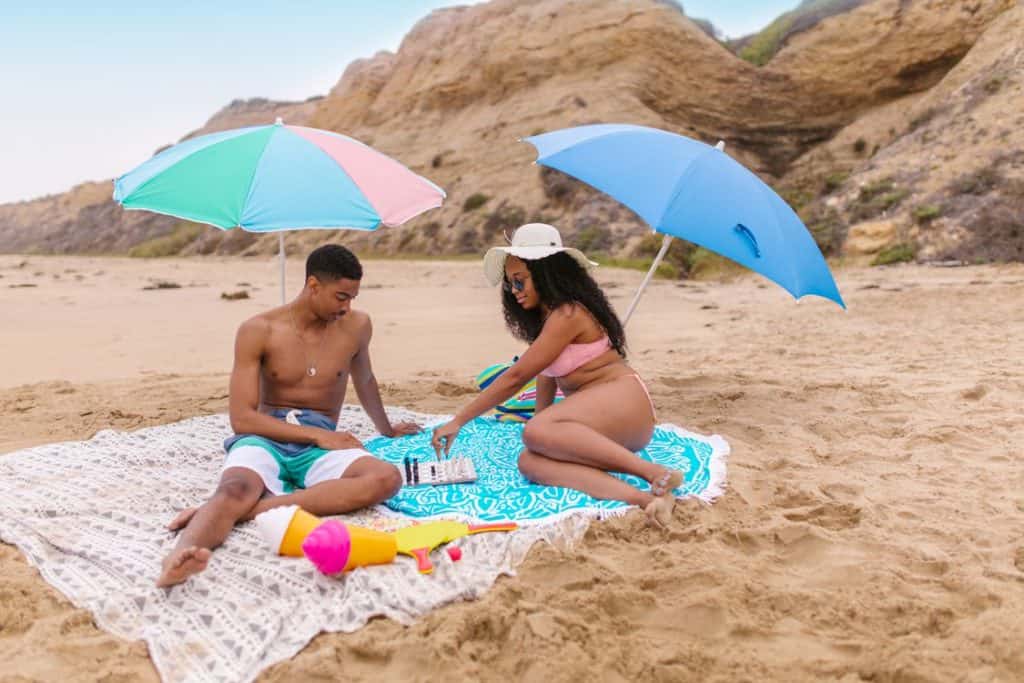
A standing board game night is one of the easiest hobbies to actually keep up, because it fits into a normal evening at home with no travel and no prep beyond setup. Cooperative games (where you win or lose together) tend to work better for couples than competitive ones early on, since nobody has to lose to their partner.
Cost to start: $20-$50 for one solid two-player game. Difficulty: Easy. First step: Buy one cooperative two-player board game and set a standing weekly game night.
12. Speed Puzzling
Speed puzzling turns an ordinary jigsaw puzzle into a light competition or a timed team challenge, which gives it more replay value than a puzzle you finish once and shelve. It’s also genuinely calming to do side by side while talking, which is part of why it’s caught on as a date-night activity.
Try the Ravensburger Cozy Retreat 500-piece puzzle as a low-pressure first one, it’s a large-format design built to be easier on the eyes for longer sessions.
Cost to start: $10-$25 per puzzle. Difficulty: Easy. First step: Buy one 500-piece puzzle and time how long it takes you both to finish it.
13. Escape Rooms
Escape rooms force real communication under mild time pressure, which is exactly the kind of low-stakes teamwork test that makes a good couple hobby. Most rooms are built for 2-6 people, so it works fine as a pure two-person activity or as a double date.
Cost to start: $25-$40 per person. Difficulty: Easy. First step: Book one 60-minute beginner-rated escape room, most venues rate rooms by difficulty on their booking page.
14. Trivia Nights
Weekly bar or restaurant trivia nights are free to join in most cities and give you a recurring reason to go out together without the pressure of planning something new every week. Teams of two are common, so you don’t need to recruit anyone else to play.
Cost to start: Free to enter at most venues, cost of food and drinks only. Difficulty: Easy. First step: Find one recurring trivia night near you and go as a team of two.
15. Chess
Chess is free to learn, endlessly replayable, and genuinely rewards getting better together over months instead of one lucky night. An AMEROUS 15″ magnetic wooden chess set is a solid first board that doubles as a nice piece of furniture instead of a plastic set that gets shoved in a drawer.
Cost to start: $20-$50 for a basic wooden set. Difficulty: Moderate. First step: Learn how the pieces move (15 minutes on any free app) and play one full game tonight.
Home and Everyday Hobbies for Couples
16. Gardening Together
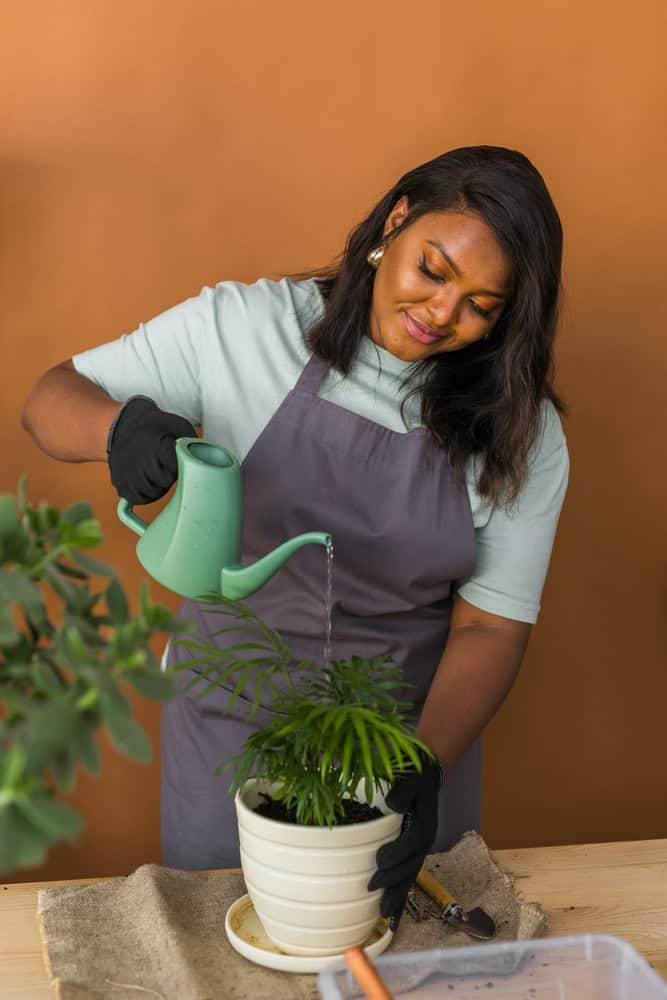
Splitting a garden into “your section, my section” turns gardening into a small friendly competition, while a shared vegetable bed turns it into a genuine team project with a payoff you both eat. Container gardening on a balcony works just as well as a full yard if you don’t have outdoor space.
Cost to start: $30-$80 for containers, soil, and starter plants. Difficulty: Easy. First step: Buy two or three easy vegetable or herb starts (tomatoes, basil, peppers) and plant them this weekend.
17. Wine or Beer Tasting
A standing “try one new bottle a week” habit is a cheap, low-commitment way to build a shared hobby out of something you’re probably already doing occasionally. Local tasting rooms and breweries often run flights specifically designed to teach beginners how to actually taste rather than just drink.
Cost to start: $15-$40 for a tasting flight, or under $20 for a bottle to split at home. Difficulty: Easy. First step: Book one tasting flight at a local winery or brewery and talk through what you each notice.
18. Shared Journaling or a Travel Scrapbook
Keeping a shared notebook, whether it’s a running list of restaurants you’ve tried, trips you’ve taken, or just weekly highs and lows, gives you a physical record of your relationship that most couples never bother to keep. It costs almost nothing and takes five minutes a week.
Cost to start: $10-$20 for a notebook or scrapbook supplies. Difficulty: Easy. First step: Buy one notebook and write down this week’s highlight together, even if it’s short.
19. Stargazing
Stargazing needs nothing but a clear night and a spot away from city lights, which makes it one of the cheapest hobbies on this entire list. A free sky map app on your phone will identify constellations and planets in real time, no telescope required to start.
Cost to start: Free. Difficulty: Easy. First step: Download a free stargazing app and find one clear night this month to lie outside and look up.
20. Home Brewing or Fermentation
Fermenting your own hot sauce, kimchi, or a first batch of beer is genuinely science-flavored cooking with a real payoff, and it builds in natural checkpoints (tasting, adjusting, waiting) that give you something to do together over weeks, not just one evening. It also has a real online community if you want to go deeper.
Cost to start: $30-$60 for a basic starter kit. Difficulty: Moderate, mostly patience. First step: Buy one beginner fermentation kit (hot sauce or kimchi is the easiest starting point) and make your first batch.
Learning and Adventure Hobbies for Couples
21. Learning a New Language Together
Learning a language as a pair gives you a built-in practice partner and a genuine reason to keep going past week two, which is usually where solo language learning quits. It pays off directly if you travel together, and free apps make the first few months cost nothing.
Cost to start: Free with an app, $10-$15/month for a paid tier if you want more structure. Difficulty: Moderate. First step: Pick one language and do 10 minutes a day on a free app for a week before deciding whether to commit further.
22. Geocaching
Geocaching turns any regular walk into a real-world treasure hunt using GPS coordinates hidden by other players around the world, and it’s genuinely free once you have a smartphone. It’s an easy, low-effort way to explore a new part of your own city together.
Cost to start: Free with the Geocaching app. Difficulty: Easy. First step: Download the free Geocaching app and find the nearest cache to where you live.
23. Volunteering Together
Volunteering as a pair, at an animal shelter, food bank, or a local cleanup, gives you a shared sense of purpose that most hobbies on this list don’t, and it costs nothing but time. Many organizations specifically welcome pairs since two hands are easier to schedule than one.
Cost to start: Free. Difficulty: Easy. First step: Find one local organization looking for volunteers and sign up for a single shift together to see if it’s a fit.
24. Weekend Camping Trips
A one-night camping trip is a low-cost way to genuinely disconnect together, no phones, no errands, just a tent and a fire. You don’t need to own gear to try it once, most outdoor stores and some campgrounds rent tents and sleeping bags by the weekend.
Cost to start: $150-$400 for starter gear if you buy, $30-$60 to rent for one weekend. Difficulty: Easy. First step: Rent a tent and sleeping bags for one weekend before deciding whether to buy your own gear.
25. Pickleball
Pickleball blends tennis, ping pong, and badminton into a game that’s genuinely easy to rally in your first session, which is rare for a racquet sport. Courts are cheap to book or often free at public parks, and games run as doubles just as easily as singles.
Cost to start: $30-$60 for a starter paddle, courts are often free at public parks. Difficulty: Easy. First step: Borrow or rent paddles at a local court for one game before buying your own.
FAQ: Hobbies for Couples
What is the best hobby for a couple to start with?
Start with something cheap, low-commitment, and repeatable rather than something expensive or intense. Board game nights, cooking new cuisines, and trivia nights are good first choices because you can try them once for very little money and immediately tell if you both enjoy the routine.
What if we have very different interests?
Alternate who picks the hobby each month rather than trying to find one thing you’re both equally excited about from the start. A lot of couples end up genuinely liking something they’d never have picked on their own, once their partner introduces them to it.
What are cheap or free hobbies for couples on a budget?
Stargazing, geocaching, hiking, volunteering, and trivia nights are all free or nearly free to start, and shared journaling costs less than $20. None of them require ongoing gear purchases to keep doing.
How do we actually keep a couple hobby going instead of it fizzling out?
Put it on a recurring schedule, like a standing Thursday game night or one new restaurant cuisine a month, instead of leaving it to “whenever we feel like it.” Hobbies that survive long-term are almost always the ones with a set time slot, not the ones left to spontaneity.