
Hobbies that help with depression and anxiety work by giving your attention somewhere to go besides rumination, options like music, art, movement, gardening, and social activities all have real evidence behind them, and a hobby is not a replacement for professional treatment when symptoms are serious. One study found that taking up a hobby increased the odds of recovery by 272 percent in older adults with depression, so this is not just a feel-good claim.
This list is split into indoor and outdoor hobbies so you can pick based on what you have energy for today. For more ideas beyond this list, browse the master list of hobbies.
Table of Contents
- Indoor Hobbies to Help with Depression and Anxiety
- Outdoor Hobbies to Help with Depression and Anxiety
- Feeling Better Yet?
- FAQ: Hobbies for Depression and Anxiety
Indoor Hobbies to Help with Depression and Anxiety
1. Listen to Music
Music lowers stress hormones and lifts mood almost immediately, and a specific mood-matching playlist works better than random shuffle. First step: build a 10-song playlist for exactly how you want to feel, not how you feel right now.
2. Learn a New Language
Language apps turn a few minutes a day into visible progress, which is a small, steady win when bigger wins feel out of reach. Duolingo and Memrise are both free to start. First step: complete one 5-minute lesson today, nothing more.
3. Chess
Chess demands full attention, which crowds out anxious thoughts for the length of a game, and free apps let you play any time, alone or against others. First step: play one game against an easy-level computer opponent.
4. Watch Something Comforting
A familiar, low-stakes show can genuinely lower stress when your brain needs a break from decision-making. Netflix and similar platforms make comfort re-watches easy. First step: pick one episode of something you have already seen and enjoyed.
5. Create Simple Art
Doodling or simple drawing does not need to be good to help, the act of making marks on paper is what matters, not the result. First step: draw for five minutes without judging what comes out.
6. Singing
Singing, even badly and alone, releases endorphins and regulates breathing in a way that calms the nervous system. First step: sing along to one full song, out loud, by yourself.
7. Dance It Out
Moving to music combines the mood benefits of both exercise and music at once, and it needs no equipment or space beyond your living room. First step: put on one upbeat song and move however feels natural for its full length.
8. Yoga
Yoga pairs gentle movement with breath control, which is one of the most direct ways to calm an anxious nervous system. Free beginner videos make it accessible with zero cost. First step: follow one 10-minute beginner yoga video.
9. Painting
Painting is a slower, more forgiving creative outlet than drawing, since color and texture can cover a lot of hesitation, and it is one of many options on our art hobbies guide. A basic watercolor or acrylic set is inexpensive. First step: paint one small piece of paper with no plan for what it becomes.
10. Pottery
Working clay with your hands is physically grounding in a way few other hobbies are, similar to other productive hands-on hobbies, and local studios often offer beginner classes with all materials included. First step: book one beginner pottery or clay class near you.
11. Read a Book
Reading fiction is one of the most consistently recommended distractions from anxious or ruminating thoughts, since it fully occupies your attention. First step: read one chapter of a book you already own.
12. Make a Mocktail
Mixing a non-alcoholic drink from fruit, juice, and ice gives you a small, sensory project with an immediate, enjoyable result. First step: make one simple mocktail from whatever fruit you already have.
13. Start a Fitness Routine
Regular movement is one of the most evidence-backed tools for both depression and anxiety, and it does not need to be intense to help. First step: do one 10-minute walk or bodyweight routine today.
14. Build a Pinterest Board
Collecting images around a theme you love is a low-effort creative outlet that still gives a sense of progress and personal expression. First step: create one board and pin ten images that genuinely appeal to you.
15. Cooking
Cooking engages your senses and gives you a tangible result at the end, which is a real, concrete win on a hard day. First step: cook one simple recipe you have not tried before.
Outdoor Hobbies to Help with Depression and Anxiety
16. Go on a Road Trip
A change of scenery, even a short drive somewhere new, can interrupt a stuck mental loop better than staying in the same space. First step: plan one day trip to somewhere within an hour of home.
17. Photography
Looking for things worth photographing forces you to notice your surroundings instead of your thoughts, and a smartphone camera is all you need. First step: take ten photos of anything that catches your eye on one walk.
18. Hiking
Time in nature is consistently linked to lower anxiety and improved mood, and hiking combines that with physical activity. First step: walk one short, easy local trail.
19. Stargazing
Looking up at the night sky is a simple way to get perspective, and it requires nothing but a clear night and a few minutes. First step: spend ten minutes outside after dark looking at the sky, no phone.
20. Pack a Picnic
Eating outside changes the whole feel of a meal, and the planning itself gives you something small to look forward to. First step: pack a simple picnic and eat it at a nearby park.
21. Take Up Gardening
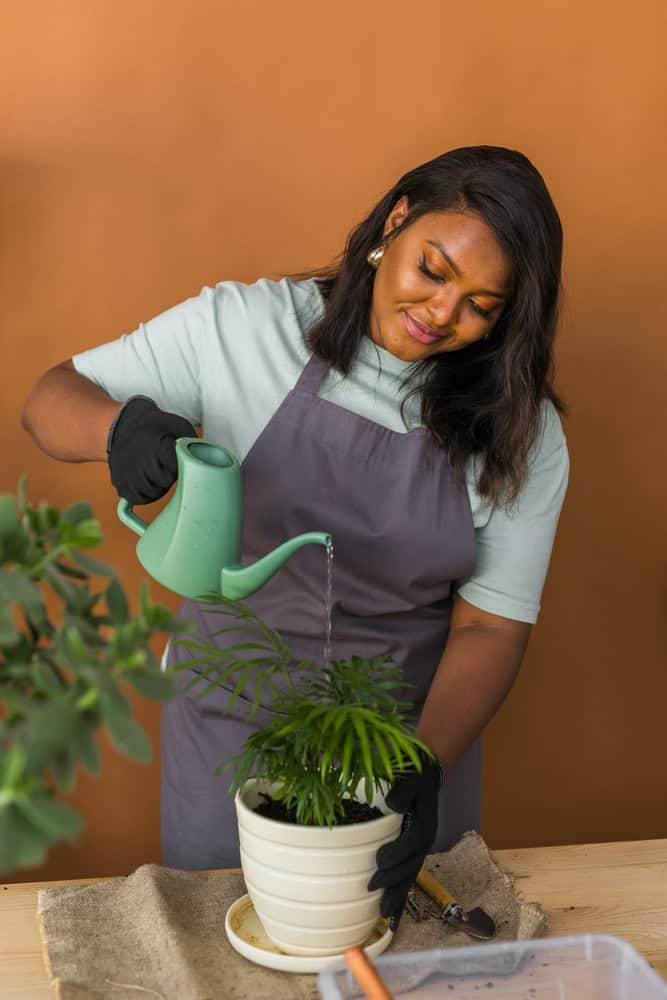
Gardening combines gentle physical activity, time outdoors, and a slow, visible sense of progress as things grow. Even a few pots on a balcony count. First step: plant one easy-care plant or a few herb seeds.
22. Go to a Concert
Live music adds a shared, in-person element to music’s mood benefits, and local or small venue shows are often inexpensive. First step: find one nearby live show, even a small local one, and go.
23. Try an Open Mic Night
Open mics are low-pressure spaces built for beginners, whether you perform or just watch, and most welcome first-timers warmly. First step: attend one local open mic as an audience member.
24. Host a Cookout
Organizing a small outdoor gathering gives you a reason to connect with people and something concrete to plan and look forward to. First step: invite two or three people over for a simple outdoor meal.
25. Watch a Sunset or Sunrise
Watching the sky change is a quiet, grounding ritual that costs nothing and takes only a few minutes. First step: watch one full sunset or sunrise from start to finish.
26. Get in the Water
Being in open water, whether a lake, ocean, or pool, is both physically active and sensorially calming for many people. First step: spend 20 minutes in open water if you have access to it.
27. Kayaking
Kayaking combines gentle exercise with quiet time on the water, and rental kayaks make it accessible without owning equipment. First step: rent a kayak for one hour at a local lake or river.
28. Swimming
Swimming is full-body exercise that is easy on the joints, and the rhythmic nature of it is genuinely meditative for many people. First step: swim for 20 minutes at a local pool.
29. Go Fruit Picking
Picking your own fruit is a simple, hands-on outdoor activity with an edible result, and many farms offer seasonal picking. First step: find one local pick-your-own farm and visit during its season.
30. Horseback Riding
Working with a large, calm animal requires you to be present and attentive, which naturally quiets an anxious mind. Beginner lessons are widely available. First step: book one introductory horseback riding lesson.
31. Do Something Playful
Simple, playful activities, a playground, a trampoline park, mini golf, give you permission to be silly with zero stakes. First step: pick one playful activity and do it without worrying how it looks.
32. Go Bowling
Bowling is low-pressure, social, and requires just enough focus to be distracting in a good way. First step: book one game at a local bowling alley, alone or with others.
33. Try Mocktail Mixing Outdoors
Bringing the mocktail-making hobby outside, a porch, a park, a backyard, adds fresh air to the same small, sensory project. First step: make one mocktail and drink it outside.
34. Find an Online Friend or Pen Pal
Low-pressure, written connection with someone new can ease isolation without the intensity of in-person socializing. Pen pal communities exist for exactly this. First step: find one pen pal community or app and send a first message.
35. Go Window Shopping
A slow walk through shops, with or without buying anything, gets you outside and moving with a light, low-stakes focus. First step: spend 30 minutes walking through a local shopping area with no purchase goal.
36. Make or Get Ice Cream
A small, simple treat, homemade or from a local shop, is a genuine, low-cost mood boost worth giving yourself on a hard day. First step: make a simple no-churn ice cream, or visit a local shop.
Feeling Better Yet?
You do not need to try all 36 of these. Pick one or two that genuinely appeal to you and give them a real try before judging whether they help, a single session rarely tells you much. If nothing here is making a dent in how you feel, that is worth mentioning to a doctor or therapist, not something to push through alone.
FAQ: Hobbies for Depression and Anxiety
Can a hobby actually help with depression or anxiety?
Yes, in a real, evidence-backed way. Hobbies that involve movement, creativity, or social connection have been shown to reduce symptoms of both, and one study found hobbies increased recovery odds by 272 percent in older adults with depression. A hobby works alongside treatment, not as a replacement for it.
When should I seek professional help instead of just trying a new hobby?
If symptoms are severe, persistent, or interfering with daily life, work, relationships, sleep, appetite, a hobby alone is not enough. Talk to a doctor or therapist. Hobbies help most as a supplement to real treatment, not a substitute for it.
What kind of hobbies tend to help the most?
Activities that combine movement, creativity, or social connection tend to have the strongest evidence behind them, things like exercise, art, music, and group activities. The best hobby is still the one you will actually keep doing, so personal enjoyment matters more than picking the “most effective” option on paper.
Is it normal to not feel motivated to try any of these?
Yes, low motivation is a core symptom of depression itself, not a personal failure. Starting small, five minutes, one small task, is normal and often the only realistic way in. If getting started feels completely out of reach, that is worth discussing with a professional too.