Most hobby lists repeat the same dozen ideas, like painting, hiking, cooking, and photography. They’re fine hobbies, but they don’t scratch the itch if you’re looking for something that actually stands out at a dinner party. This list skips the obvious picks and focuses on pastimes that are genuinely unusual, whether that means learning a fictional language, picking a lock, or raising your own butterflies.
Every hobby below includes what it actually costs to start, how hard it is to learn, and the first concrete step to take if you want to try it. Some cost nothing beyond your own time. Others need a modest investment in gear. None of them require you to be an expert before you begin.
Taxidermy, Tuvan throat singing, and lockpicking are some of the most distinctive hobbies on this list if you want a real conversation starter, while stone skimming, knot tying, and origami are free or nearly free ways to try something different this weekend. Beekeeping and wild camping take more planning and money but reward you with skills that are hard to find anywhere else.
For an even bigger menu of ideas, browse the master list of interests and hobbies, which covers more than 200 hobbies across every category.
Table of Contents
- Unique Hobbies to Do on Your Own
- Unique Hobbies to Do With Friends and Family
- Unique Hobbies to Help You Relax and Unwind
- FAQ: Unique Hobbies
Unique Hobbies to Do on Your Own
If you’re tired of the usual solo activities and want to explore something that sets you apart, these hobbies are built for one.
1. Stand-Up Comedy
Cost to start: $0-$50 | Difficulty: Moderate
Stand-up comedy means writing your own material and performing it live, whether that’s five minutes at an open mic or a longer set for friends. The startup cost is close to zero, since you need a notebook, some observations about daily life, and the nerve to say them out loud. Most open mic nights are free to attend or charge a small cover, and clubs rarely require you to buy equipment.
The real cost is emotional, since bombing in front of a room is part of the learning process, and even professional comedians talk about how many bad sets it takes to get a handful of good jokes. It also builds public speaking skills that carry over into work and everyday life. First step: write five minutes of material based on something that actually annoys or amuses you, then sign up for a local open mic.
2. Brewing Beer
Cost to start: $80-$200 | Difficulty: Moderate
Home brewing means making your own beer from grain, hops, yeast, and water, using kits that scale from simple extract brewing to full all-grain setups. A basic starter kit with a fermenter, airlock, and bottling gear runs somewhere in the $80 to $200 range, and ingredient kits for a five-gallon batch add another $30 to $50 per brew. The process itself is part science and part patience, since boiling, cooling, fermenting, and bottling all take attention to detail, but none of it requires special training.
Expect your first batch to take four to six weeks from boil to drinkable beer. It’s a hobby that rewards repetition, since each batch teaches you something about temperature control and timing that improves the next one. First step: buy a basic starter kit from a homebrew supply shop or website and brew a simple ale recipe.
3. Metal Detecting
Cost to start: $150-$400 | Difficulty: Easy
Metal detecting involves sweeping a handheld detector over the ground to find coins, jewelry, relics, and the occasional bit of junk buried just below the surface. Entry-level detectors start around $150 and mid-range models with better discrimination between metals run closer to $400. It’s an easy hobby to pick up since most detectors are designed for beginners, with simple audio tones telling you what you’ve found before you dig.
The main skill is patience: most days you’ll find bottle caps and pull tabs before anything valuable turns up. Always check local rules first, since detecting is restricted or banned in some parks and historic sites. It pairs well with local history since you’ll want to research old maps of your area. First step: buy an entry-level detector and get permission to search a local park or beach.
4. Fantasy Sports
Cost to start: $0-$50 | Difficulty: Easy
Fantasy sports let you draft a lineup of real athletes and compete against friends or strangers based on how those players perform in actual games. Most platforms let you join a free league, though paid leagues with cash prizes typically charge a $10 to $50 entry fee.
It’s an easy hobby to start since the apps handle all the scoring automatically, but getting good at it takes real research into player statistics, injuries, and matchups. It works well as a solo hobby you check throughout the week, or a group activity if you form a league with friends and trade trash talk all season. First step: sign up for a free league on a major fantasy sports platform and draft your first team.
5. Stone Skimming
Cost to start: $0 | Difficulty: Easy
Stone skimming, also called stone skipping, is the simple act of throwing a flat stone across water so it bounces instead of sinking. It costs nothing beyond finding a calm lake, river, or beach, and anyone can throw a rock, though getting a stone to skip ten or more times takes real technique. The world record sits at a staggering 88 skips, set with an angled, low, fast throw using a flat, round stone.
Competitive stone skimming events exist in several countries, complete with judges counting bounces. It’s a hobby that rewards a quiet afternoon outdoors and gives you an excuse to keep exploring new shorelines in search of the perfect flat stone. First step: find a calm body of water and practice a low, flat, sidearm throw.
6. Carnivorous Plant Collecting
Cost to start: $15-$60 per plant | Difficulty: Moderate
Carnivorous plants like Venus flytraps, pitcher plants, and sundews get some of their nutrients by trapping and digesting insects, which makes them a striking, low-maintenance conversation piece. A single beginner-friendly plant costs $15 to $30 from a specialty nursery, while rarer species can run closer to $60 or more. They’re moderately difficult to keep alive long-term since most need distilled water, high humidity, and dormancy periods in winter, but a single flytrap is forgiving enough for a first attempt.
Collectors often build small terrariums or bog gardens to house several species together. It’s a hobby that blends gardening with something a little more unusual than your average houseplant. First step: buy one beginner-friendly Venus flytrap or sundew from a specialty carnivorous plant nursery.
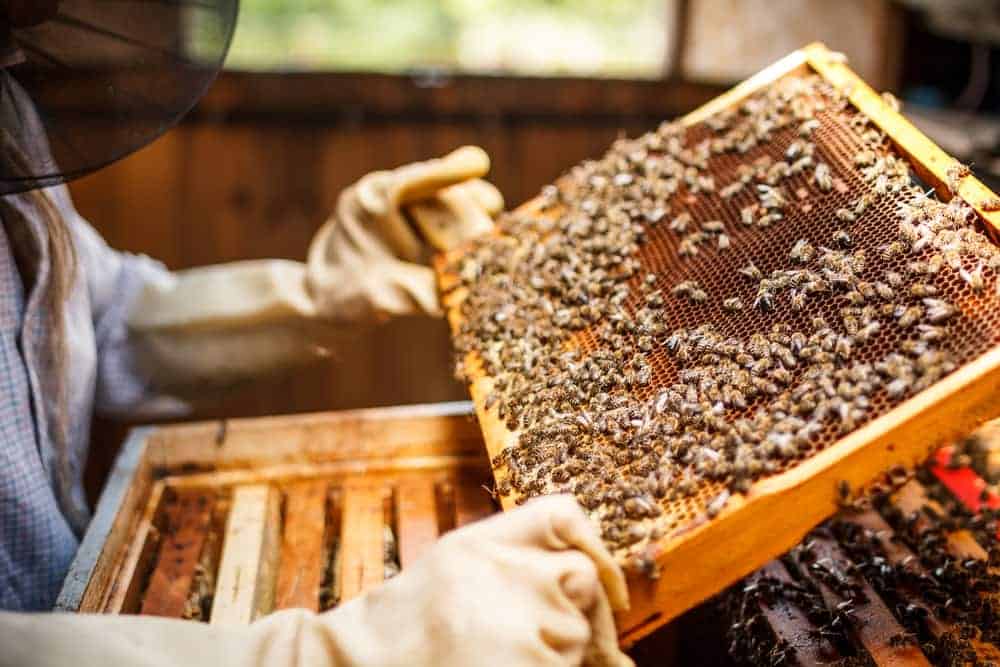
7. Beekeeping
Cost to start: $300-$700 | Difficulty: Moderate to Hard
Beekeeping means maintaining a hive of honeybees for pollination, honey production, or simply the experience of working closely with them. A full setup, including a hive box, protective suit, smoker, and tools, along with your first package of bees, typically costs $300 to $700. It’s a moderately hard hobby to start since it requires understanding bee biology, seasonal hive management, and local regulations, and mistakes can mean losing an entire colony.
Many areas have beekeeping associations that offer mentorship and classes for new beekeepers, which makes a real difference in your first year. Beyond the honey, it’s a hobby that connects you directly to the health of your local ecosystem. First step: take a local beekeeping course before you buy any equipment or bees.
8. Beatboxing
Cost to start: $0 | Difficulty: Moderate
Beatboxing is a form of vocal percussion that uses your mouth, lips, tongue, and throat to mimic drum machines, bass lines, and other musical sounds. It costs nothing to start since your voice is the only instrument required, though some hobbyists eventually buy a microphone and looper pedal to record and layer sounds. It takes real practice to get comfortable with the basic sounds, like the kick drum and hi-hat, before combining them into rhythms.
Plenty of free tutorials break the skill down sound by sound, and daily practice for even ten minutes builds muscle memory quickly. It’s a hobby you can practice anywhere, including in the car or shower, without anyone needing to know you’re doing it. First step: watch a beginner tutorial and practice the basic kick, snare, and hi-hat sounds daily.
9. Tuvan Throat Singing
Cost to start: $0 | Difficulty: Hard
Tuvan throat singing, also known as Khoomei, is a vocal technique that originated in Central Asia and allows a single singer to produce two or more distinct pitches at once. It costs nothing to learn since it only requires your voice, but it’s genuinely difficult, since it takes months of practice to isolate the overtones cleanly without straining your throat.
Free tutorials and recordings from Tuvan performers are widely available online, and some vocal coaches now teach the technique alongside more traditional styles. It’s a hobby that rewards slow, careful practice rather than rushing, and even a partial version of the sound is an impressive party trick. First step: find an online tutorial for the Kargyraa style and practice in a quiet, private space.
10. Leaf Collecting and Pressing
Cost to start: $10-$30 | Difficulty: Easy
Leaf collecting and pressing is the practice of gathering leaves from local trees and flattening them between heavy books or a dedicated flower press to preserve their shape and color. Materials cost very little: a press or a stack of heavy books, some parchment paper, and a notebook for identifying species runs $10 to $30. It’s an easy hobby to pick up immediately, and it doubles as a reason to explore local parks and learn to identify different tree species by leaf shape.
For a more advanced version, chlorophyll printing uses the process of photosynthesis to develop a photographic image directly onto a leaf’s surface. Pressed leaves also make simple, low-cost material for cards, bookmarks, and framed art. First step: collect a handful of fallen leaves and press them between the pages of a heavy book.
11. Model Railways
Cost to start: $150-$500+ | Difficulty: Moderate
Model railways involve building a miniature train layout complete with scenery, buildings, and working locomotives, scaled down to fit anywhere from a small shelf to an entire spare room. A basic starter set with track, a locomotive, and a few cars runs $150 to $300, while a more detailed layout with scenery and buildings can climb past $500 over time. It’s a moderately difficult hobby since wiring, scenery building, and layout planning all take practice, but starter sets are designed to work right out of the box.
Many hobbyists start small with a simple oval track and expand gradually as their budget and space allow. It’s a satisfying blend of engineering, model building, and storytelling in miniature. First step: buy a starter train set in a scale, like HO or N, that fits your available space.
12. Taxidermy
Cost to start: $100-$300 | Difficulty: Hard
Taxidermy is the practice of preserving and mounting animals, usually small game or found specimens, so they can be displayed as lifelike pieces. A beginner kit with tools, forms, and preservation chemicals runs $100 to $300, and many new taxidermists start with something small like a mouse or bird before attempting anything larger. It’s a genuinely hard skill that takes real instruction to do safely and well, since improper handling of specimens and chemicals carries health risks, and results depend heavily on technique.
Beginner classes taught by working taxidermists are the fastest way to learn proper skinning, fleshing, and mounting methods. It’s not for everyone, but for people drawn to natural history and craftsmanship, it’s hard to find a more distinctive hobby. Readers who like this kind of unusual pastime may also enjoy this list of scary, dark, and creepy hobbies. First step: take a beginner taxidermy class rather than trying to learn from videos alone.
13. Learning Fictional Languages
Cost to start: $0-$20 | Difficulty: Moderate
Learning a fictional language means studying a constructed language built for a book, film, or game, such as Klingon from Star Trek or Elvish from The Lord of the Rings. Most learning resources are free, including dictionaries, grammar guides, and community forums, though a few phrasebooks or apps charge up to $20. It takes real, moderate effort since these languages have full grammar systems and vocabulary just like natural languages, and progress depends on consistent practice.
Active fan communities exist for the most popular constructed languages, offering conversation practice and correction for beginners. It’s an unusual way to combine a love of a fictional universe with an actual cognitive skill that sharpens memory and pattern recognition. First step: download a free course or app for Klingon, Elvish, or Dothraki and learn twenty basic words.
14. Geocaching
Cost to start: $0-$30 | Difficulty: Easy
Geocaching is an outdoor treasure hunt where players use GPS coordinates from a mobile app to locate hidden containers, called caches, left by other players all over the world. The core app is free to use, though a premium subscription that unlocks harder caches costs around $30 a year. It’s an easy hobby to start immediately with just a smartphone, and caches range from a film canister hidden under a park bench to elaborate multi-stage puzzles.
Each cache usually contains a logbook to sign and sometimes small trinkets to trade. It’s a great way to explore your own city or a new one, since caches exist almost everywhere, including places you’d never think to visit otherwise. First step: download a geocaching app and search for caches hidden within walking distance of home.
15. Breeding Butterflies
Cost to start: $30-$80 | Difficulty: Moderate
Breeding butterflies means raising caterpillars through their full life cycle, from egg to cocoon to a fully formed butterfly ready to release outdoors. Starter kits that include caterpillars, food, and a mesh habitat typically cost $30 to $80, depending on the species. It’s a moderately involved hobby since caterpillars need the right food plant, consistent temperature, and a clean habitat to avoid disease, but kits are designed to make this manageable for beginners, including kids.
Watching the transformation from caterpillar to chrysalis to butterfly takes a couple of weeks and is genuinely dramatic to observe up close. Once your butterflies emerge, releasing them into a garden is a satisfying way to close out the process. First step: order a butterfly-raising kit that includes caterpillars, food, and a mesh enclosure.
16. Gelatine Art
Cost to start: $20-$50 | Difficulty: Moderate
Gelatine art is the practice of injecting colorful, flavored gelatin into a base of clear gelatin to create intricate three-dimensional designs, like flowers or geometric patterns, suspended inside a dessert. A starter kit with injection needles, gelatin, and food coloring costs $20 to $50, and most of what you make is fully edible. It takes practice to control the needle depth and pressure well enough to form clean shapes, so expect your first few attempts to look rougher than the tutorials.
It sits at the intersection of cooking and visual art, which makes it a good fit for anyone who already enjoys art-focused hobbies but wants something food-related. Once you get the technique down, it’s an impressive dessert to bring to any gathering. First step: buy a gelatin art starter kit and practice basic flower shapes before attempting complex designs.
17. Foraging
Cost to start: $0-$40 | Difficulty: Moderate
Foraging means searching for wild plants, herbs, mushrooms, and fruits with the intention of identifying and eating them safely. A good field guide for your region costs $20 to $40, though foraging itself costs nothing beyond your time outdoors. It’s a moderately difficult hobby because misidentifying certain plants and mushrooms can be dangerous, so most experienced foragers strongly recommend starting with a guided walk before heading out alone.
It’s an old skill that connects you directly to the local landscape and changes with the seasons, since what’s available to forage shifts from spring greens to autumn nuts and mushrooms. Done carefully, it turns an ordinary walk into a genuinely productive outing. First step: join a guided foraging walk in your area before attempting to forage alone.
Unique Hobbies to Do With Friends and Family
These hobbies work best with other people, whether that’s a partner, a group of friends, or total strangers who share the same odd interest.
18. Paintballing
Cost to start: $40-$100 per outing | Difficulty: Easy
Paintballing is a team game where players use air-powered markers to tag opponents with paint-filled capsules across an outdoor or indoor course. Most facilities rent the marker, mask, and air tank as part of the entry fee, which usually runs $40 to $100 for a few hours including paintballs. It’s an easy hobby to try since no prior skill is needed and staff walk every group through safety basics before starting.
It works well as a group activity for birthdays, team outings, or just a Saturday with friends, and most venues offer different game modes so repeat visits stay interesting. If you enjoy the adrenaline of paintball, you might also like this list of adrenaline hobbies for thrill seekers. First step: book a session at a local paintball facility, which typically includes gear rental.
19. Wild Camping
Cost to start: $100-$400 | Difficulty: Moderate
Wild camping means pitching a tent or sleeping outdoors somewhere outside a designated, organized campsite, often deep in a forest, on a mountainside, or along a remote stretch of coastline. Basic gear, including a tent, sleeping bag, and pad, runs $100 to $400 depending on quality, and costs nothing beyond that since there’s no site fee. It’s moderately difficult since it demands more self-sufficiency than a regular campsite, including navigation, water purification, and knowing local regulations, which vary a lot by country and region.
Done safely, it delivers a level of quiet and solitude that a crowded campground can’t match. It also pairs naturally with other outdoor hobbies like foraging or stargazing. First step: research local wild camping regulations, then choose a legal spot for a first overnight trial.
20. Join a Local Theatre Group
Cost to start: $0-$50 | Difficulty: Moderate
Joining a local theatre group means signing up with a community or amateur company to act, direct, or work backstage on live productions. Community theatre is typically free or low cost to join, with occasional costume or ticket fees adding up to around $50 a season.
It’s a moderately challenging hobby since acting well takes practice, memorization, and comfort performing in front of an audience, but most community groups welcome complete beginners into smaller or backstage roles first. It’s also one of the best ways to make friends quickly, since rehearsals mean spending several nights a week with the same group of people working toward a shared goal. First step: search for community theatre auditions near you, or volunteer for a backstage or crew role first.
21. Ghost Hunting
Cost to start: $0-$150 | Difficulty: Easy
Ghost hunting involves investigating locations believed to be haunted using equipment like EMF meters, digital recorders, and infrared cameras to document unexplained activity. Joining an established local paranormal group to investigate is often free or low cost, while your own basic starter equipment runs $50 to $150. It’s an easy hobby to start since most groups welcome newcomers and teach investigation methods on site, though skeptics and believers alike tend to enjoy it for the atmosphere as much as any actual evidence.
Always confirm a location is safe and that you have permission to be there, since abandoned buildings can be structurally unsound. Readers curious about this kind of hobby will find more ideas on this list of scary, dark, and creepy hobbies. First step: join a local paranormal group’s public investigation night before buying any equipment.
22. Quidditch (Quadball)
Cost to start: $0-$40 | Difficulty: Moderate
Quidditch, now officially called quadball in most competitive leagues, adapts the fictional wizarding sport from the Harry Potter books into a real, full-contact game played on foot with a ball gripped between the legs instead of flying. Joining a local club is usually free or low cost, and most clubs lend brooms to newcomers, so your only real expense is athletic gear, around $20 to $40.
It’s a moderately demanding hobby physically, since it combines elements of rugby, dodgeball, and tag into one fast-paced match, but teams are generally welcoming to beginners regardless of athletic background. Leagues exist at the college and adult club level in many cities. First step: find a local quadball club or league, most of which lend brooms to first-time players.
23. Magic Tricks
Cost to start: $20-$60 | Difficulty: Moderate
Learning magic tricks means mastering sleight of hand and misdirection techniques to perform illusions, from simple card tricks to more elaborate routines with everyday objects. A beginner magic kit with cards, coins, and instructional material costs $20 to $60, though many classic tricks only require a standard deck of cards. It takes real, moderate practice to make sleight of hand look effortless, since even simple tricks fall apart with clumsy handling, so expect to spend real time in front of a mirror.
It’s a hobby that builds genuine confidence and presentation skills, since performing well means reading a room and controlling attention. It also makes you the most requested person at any family gathering. First step: buy a beginner magic kit or learn one solid card trick from a tutorial video.
24. Live Action Role Play (LARP)
Cost to start: $30-$150 | Difficulty: Moderate
Live action role play, or LARP, means physically taking on a fictional character, often in costume, and acting out that character’s goals and interactions with other players in a shared story. Basic costume pieces and props for a first character cost $30 to $150, and many events let newcomers borrow gear or play simplified starter characters for free. It’s a moderately involved hobby since it combines improvisational acting, light combat choreography using foam weapons, and sustained in-character roleplay over a full event, sometimes an entire weekend.
Most local groups run beginner-friendly sessions specifically designed to ease new players into the rules. It’s an unusually immersive way to combine storytelling, costuming, and physical activity. First step: attend a local LARP event as a spectator or with a low-cost starter character before investing in full gear.
Unique Hobbies to Help You Relax and Unwind
When you need a way to wind down that isn’t just scrolling your phone, these hobbies double as a form of quiet, focused practice.
25. Lockpicking
Cost to start: $20-$40 | Difficulty: Moderate
Lockpicking is the skill of opening a mechanical lock without its original key, using tension wrenches and picks to manipulate the internal pins. A legal practice lock set with a few picks costs $20 to $40, and reputable sellers include locks designed specifically for beginners to learn on. It’s a moderately difficult skill that takes real trial and error to build the fine motor control and feel needed to set each pin, but the process itself is genuinely calming, almost meditative, once you get past the initial frustration.
It should only ever be practiced on locks you own, never on property that isn’t yours. Many hobbyists compare the feeling of a lock finally opening to solving a small, satisfying puzzle — much like the broader world of problem solving hobbies. First step: buy a legal practice lock set and only ever pick locks you own.
26. Knot Tying
Cost to start: $0-$15 | Difficulty: Easy
Knot tying is the practical and surprisingly meditative skill of learning to tie rope into secure, purposeful configurations, from a simple overhand knot to more complex rigging knots. All you need is a length of rope, which costs next to nothing, making this one of the cheapest hobbies on this entire list. It’s an easy skill to start learning immediately using free tutorials, and repetition builds real muscle memory quickly, similar to learning an instrument.
Beyond the calming, repetitive practice, it’s a genuinely useful skill for camping, sailing, and even emergency situations where knowing the right knot matters. Many hobbyists work through a list of ten or twenty essential knots as a personal challenge. If you like working with your hands, it pairs naturally with other productive hobbies to do with your hands. First step: get a length of rope and learn the bowline, one of the most useful all-purpose knots.
27. Origami
Cost to start: $0-$15 | Difficulty: Easy to Moderate
Origami is the Japanese art of paper folding, using a single sheet of paper, without cutting or gluing, to create anything from a simple crane to intricate geometric sculptures. A pack of origami paper costs $5 to $15, though any square sheet of paper works fine for practice.
It’s easy to start with basic folds and models, and the difficulty scales naturally as you move into more advanced modular or wet-folding techniques used by experienced folders. The repetitive, precise folding makes it a genuinely calming hobby, similar to a moving meditation, and it requires very little space to practice. If you enjoy this kind of quiet, focused craft, this list of Japanese hobbies that will improve your life has more ideas worth exploring. First step: fold a traditional paper crane using a free step-by-step diagram or video.
A Unique Hobby for Everyone
Twenty-seven hobbies is a lot of options, but it’s still only a fraction of what’s out there. The common thread running through this list is that none of these pastimes require you to be an expert before you start. A metal detector, a piece of rope, or a single sheet of paper is often all it takes to begin.
If you try a hobby from this list and it doesn’t stick, that’s fine. Part of the appeal of unusual hobbies is that trying and abandoning a few is part of the process of finding the one that actually fits. For more ideas beyond this list, the master list of interests and hobbies covers more than 200 hobbies across every category, and it’s worth a browse whenever you want to add something new to the rotation. Collectors in particular may want to check out this guide to collecting as a hobby for more ways to build on interests like metal detecting or leaf collecting.
FAQ: Unique Hobbies
What is considered a unique hobby?
A unique hobby is generally one that most people haven’t tried or even heard of, as opposed to common pastimes like reading or hiking. Hobbies like taxidermy, Tuvan throat singing, and lockpicking qualify because they involve specialized skills or unusual subject matter that sets them apart from typical leisure activities.
What is the cheapest unique hobby to start?
Stone skimming, knot tying, and beatboxing all cost nothing beyond your own time, since none of them require special equipment. Geocaching and origami are close behind, needing only a smartphone app or a sheet of paper to get started.
Are unusual hobbies good for mental health?
Yes. Focused, skill-based hobbies like lockpicking, origami, and knot tying create a state of concentration similar to meditation, which can lower stress in the same way more traditional relaxation techniques do. Learning any new skill also provides a sense of progress and accomplishment that benefits overall wellbeing.
How do I find other people who share unusual hobbies?
Most unusual hobbies have small but active online communities on forums and social media, along with local clubs for hobbies like theatre, LARP, and quadball. Searching for your hobby plus the name of your city is usually enough to find a local group or upcoming event.