Plenty of hobbies can generate real income without becoming a full time job. This guide breaks down twenty hobbies that can realistically produce money on the side, with honest numbers on income potential, startup costs, and difficulty for each one. The goal is simple, help you set expectations before spending money on equipment or supplies.
Disclosure: some links on this page are Amazon affiliate links. As an Amazon Associate I earn from qualifying purchases.
The hobbies that make the most realistic side income are ones with existing demand and low startup costs, including pet sitting, tutoring, reselling, and craft sales on Etsy, which consistently produce results for beginners. Most people who turn a hobby into income earn somewhere between $100 and $1,000 a month, not the four and five figure numbers seen in success story headlines. A smaller number of hobbyists who treat the work like a real business and stick with it for a year or more can grow beyond that, but it remains the exception rather than the rule.
Table of Contents
- Category 1: Craft and Maker Hobbies
- Category 2: Digital and Creative Hobbies
- Category 3: Teaching and Service Hobbies
- Category 4: Collecting and Reselling
- Category 5: Outdoor and Physical Hobbies
- Conclusion
- FAQ: Hobbies That Make Money
Craft and Maker Hobbies
Woodworking
Woodworking turns basic shop skills into sellable items like cutting boards, shelves, and small furniture pieces. Beginners usually start with simple projects such as coasters or boxes sold at craft fairs or through local Facebook groups. Income at this level tends to be modest, often a few hundred dollars a month, since lumber, finishes, and tool upkeep eat into profit. Experienced woodworkers who take on custom furniture commissions can earn more, but that usually takes years of practice and a solid local reputation.
This hobby pairs naturally with other productive hobbies to do with your hands. First step: build five simple items, like cutting boards or small boxes, and sell them locally before investing in bigger power tools.
Income potential: $100-$800/month (typical) | Cost to start: $200-$1,000 | Difficulty: Moderate
Resin Art
Resin art covers coasters, jewelry, river tables, and decorative pieces made by pouring tinted epoxy into molds. It has become a popular Etsy category because pieces are visually striking and relatively quick to produce once you know the process. Small items like coasters and trays typically bring in modest side money, often $50 to $300 a month for casual sellers. Larger custom pieces such as river tables sell for much more, but they require real skill, ventilation, and safety equipment.
First step: buy a beginner resin starter kit, make ten coasters, and test sell them to friends or a local market before opening an online shop.
Income potential: $50-$400/month (typical) | Cost to start: $100-$300 | Difficulty: Moderate (ventilation and safety gear required)
Rug Tufting
Rug tufting uses a tufting gun to punch yarn through fabric stretched on a frame, creating custom rugs and wall hangings. It has grown quickly as a hobby because the finished pieces look professional even for first timers, and small custom rugs sell well on Etsy and Instagram. Most hobbyists selling on the side earn a modest supplemental income, since the tufting gun, yarn, and backing materials represent a real upfront cost. Custom orders for larger rugs can pay more per piece, but demand depends heavily on marketing and photos.
Our full rug tufting for beginners guide covers the real startup costs in detail before you buy equipment. First step: rent or borrow a tufting gun for one project before committing to buying your own setup.
Income potential: $100-$600/month (typical) | Cost to start: $300-$700 | Difficulty: Moderate
3D Printing and Selling Designs
3D printing lets hobbyists sell physical objects, like custom parts, home decor, and toys, or digital STL design files that other people print themselves. Selling designs is appealing because one file can sell repeatedly with no extra material cost, which is closer to passive income than most hobbies on this list. Beginners typically earn a few hundred dollars a month between print sales and small design royalties. Reaching higher income usually requires a specific niche, strong CAD skills, and consistent new designs, not just one beginner 3D printer running in a garage.
Designing functional parts draws heavily on the kind of thinking behind problem solving hobbies. First step: pick one small, useful item people search for online, design it, and list it on a print on demand STL marketplace.
Income potential: $100-$800/month (typical) | Cost to start: $250-$1,200 (printer and materials) | Difficulty: Moderate to Hard
Pottery
Pottery includes wheel-thrown mugs, bowls, and planters, or hand-built pieces that need no wheel at all. Handmade ceramics sell steadily at craft fairs and on Etsy, especially functional pieces like mugs and bowls that buyers can use every day. Because kilns, clay, and glazes are expensive and studio time or equipment access is often needed, most hobbyist potters earn modest amounts unless they have their own kiln and a consistent customer base. It usually takes a couple of years of practice before pieces are consistent enough to sell reliably.
Many people start pottery as one of several hobbies for men at home, then decide later whether to sell finished pieces. First step: take a beginner wheel-throwing or hand-building class at a local studio before buying any equipment.
Income potential: $50-$400/month (typical) | Cost to start: $300-$1,500 (or less using studio access) | Difficulty: Hard
Soap and Candle Making
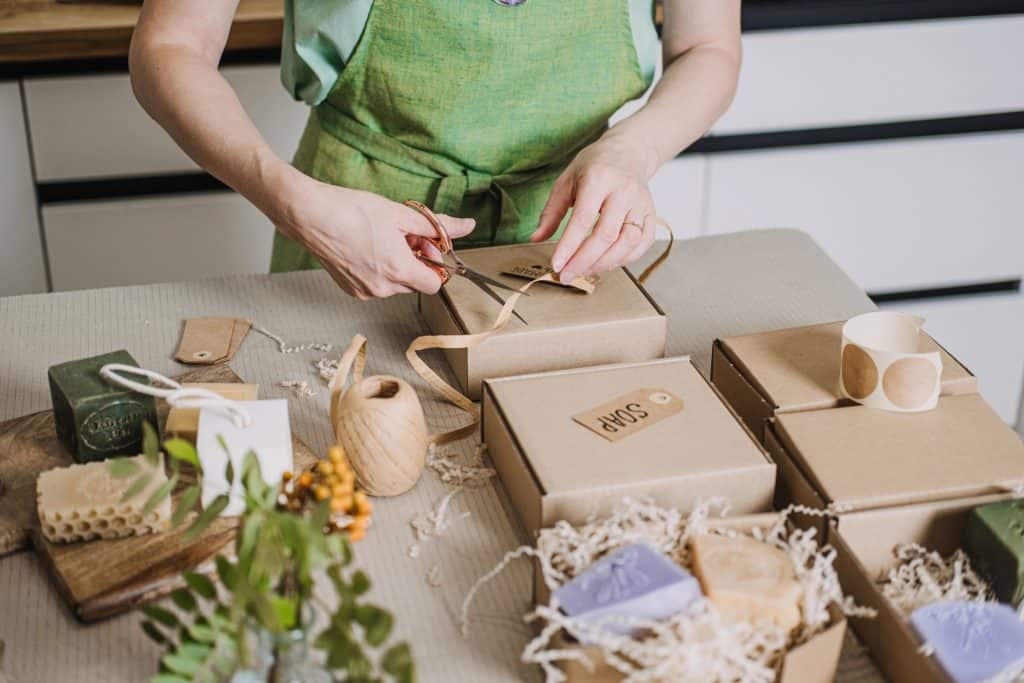
Soap and candle making turns basic ingredients like oils, lye, wax, and fragrance into products people buy again and again, which makes repeat customers realistic in a way one-off crafts are not. Startup costs are relatively low compared to other maker hobbies, and batches can be made in a home kitchen or garage with proper ventilation and safety precautions. Most sellers on Etsy or at farmers markets earn side income in the low hundreds monthly, since the market is crowded and competitive. Standing out usually means developing a distinct scent line, packaging, or local market presence rather than competing purely on price.
First step: make three or four small batches using different scents, give samples to friends for honest feedback, then decide which ones are worth selling.
Income potential: $100-$500/month (typical) | Cost to start: $100-$400 | Difficulty: Easy to Moderate
Jewelry Making
Jewelry making covers everything from wire-wrapped pendants and beaded bracelets to more advanced metalsmithing with silver and stones. Simple jewelry has low material costs and quick production time, which makes it one of the more accessible maker hobbies to test as a side income. Most casual sellers earn a modest amount monthly, since the handmade jewelry market on Etsy is large and competitive on price. Sellers who develop a recognizable style or work with better materials, like sterling silver, can charge more and build repeat customers over time.
Jewelry making sits comfortably alongside other art hobbies worth trying. First step: make ten pieces in one consistent style and photograph them well before listing anything for sale.
Income potential: $50-$350/month (typical) | Cost to start: $50-$300 | Difficulty: Easy to Moderate
Sewing and Alterations
Sewing skills translate directly into paid alteration work, like hemming pants, fixing zippers, and taking in or letting out clothing, which is steady, practical demand in almost any neighborhood. Unlike many maker hobbies, alterations do not require building an online audience, since word of mouth and a simple listing on a local classifieds site are often enough to find customers. Basic alterations pay per garment and add up quickly once a small client base is established. Custom sewing projects, like curtains or costumes, can pay more but take longer and require stronger pattern-making skills.
First step: offer simple hemming or repair work to neighbors and coworkers at a low introductory rate to build reviews and referrals.
Income potential: $200-$800/month (typical) | Cost to start: $100-$500 (sewing machine and basic supplies) | Difficulty: Easy to Moderate
Baking and Cottage Food
Cottage food laws in most states allow home bakers to legally sell baked goods, jams, and other low-risk foods directly to customers without a commercial kitchen. Cookies, cakes, and specialty desserts sell well through local Facebook groups, farmers markets, and word of mouth, especially around holidays. Because ingredient costs are relatively low and demand for good baked goods is consistent, this can be one of the more reliable modest side incomes on this list. Rules vary significantly by state and county, so checking local cottage food regulations before selling anything is essential.
First step: check your state’s cottage food law, then sell a small holiday batch, like cookies or banana bread, to gauge interest before scaling up.
Income potential: $100-$600/month (typical) | Cost to start: $50-$300 | Difficulty: Easy
Digital and Creative Hobbies
Photography
Photography income ranges from paid portrait and event sessions to selling prints or licensing photos through stock sites. Beginners charging for local sessions, like family portraits or small events, typically earn a modest hourly rate while building a portfolio and reputation. Stock photography can add passive income over time, though individual photo sales are usually small and require a large, consistent library to add up. Building toward steady income takes real investment in equipment, editing skills, and marketing, not just a nice camera.
First step: shoot five free or discounted sessions for friends or family to build a portfolio before charging full rates.
Income potential: $200-$1,000/month (typical) | Cost to start: $500-$2,000 (camera and lenses) | Difficulty: Moderate
Videography
Videography covers paid work like event videos, short promotional clips for local businesses, and social media content production. Many videographers start by filming and editing content for small local businesses that need social media clips but cannot afford a full production team. Rates vary widely based on editing skill and turnaround time, and beginners typically earn modest amounts until they build a reel and referral base. Equipment costs are higher than photography, since a decent camera, microphone, and editing software all add up before the first paid job.
First step: offer to film and edit a short video for one local business at a discounted rate in exchange for a testimonial and referral.
Income potential: $200-$1,200/month (typical) | Cost to start: $800-$3,000 | Difficulty: Moderate to Hard
Voiceover Work
Voiceover work covers audiobook narration, commercial reads, explainer videos, and small business voice needs, all of which can be recorded from a home setup with the right equipment. Beginners typically earn low rates per project while building a demo reel and reputation on marketplaces built for voice talent. Rates increase significantly with experience and a strong home studio setup, since better audio quality alone can justify higher pay. Consistent monthly income usually takes months of auditioning and rejection before steady work appears.
First step: record a two minute demo reel covering a few different reading styles and upload it to a voiceover marketplace.
Income potential: $100-$1,000/month (typical) | Cost to start: $150-$600 (microphone and basic sound treatment) | Difficulty: Moderate
Blogging and Content Writing
Blogging and freelance content writing let hobbyists get paid for research, writing, and editing, whether through a personal blog with ads and affiliate links or freelance assignments for other websites. Freelance writing tends to pay faster, since clients pay per article, while a personal blog can take a year or more to generate meaningful traffic and ad income. Beginners taking on small freelance assignments can build modest but real income within the first few months. Blogs that eventually succeed usually do so through consistency and a clear niche, not lucky timing.
First step: write three sample articles in a specific niche and pitch them to small websites, or use them to apply for freelance writing jobs.
Income potential: $100-$1,000/month (typical) | Cost to start: $0-$100 (website hosting if self publishing) | Difficulty: Easy to Moderate
Freelance Graphic Design
Freelance graphic design covers logos, social media graphics, small business branding, and print materials for local clients. Beginners often start on freelance marketplaces where competition is high and rates are lower, then move to direct local clients as a portfolio builds. Because most small businesses need at least some visual design work, steady part time demand exists once you have a handful of finished projects to show. Reaching consistent income usually takes six months to a year of building a client base and portfolio.
First step: design a few sample logos or social media graphics for a mock brand to build a starter portfolio before taking paid work.
Income potential: $200-$1,000/month (typical) | Cost to start: $0-$300 (design software) | Difficulty: Moderate
Print on Demand
Print on demand lets designers upload artwork to platforms that handle printing and shipping shirts, mugs, and other products, so there is no inventory to manage or store. Beginners typically earn modest amounts while building a catalog of designs and learning which niches sell, since a single design rarely earns much on its own. Meaningful income generally requires dozens or hundreds of listings built up over six months to a year, not a handful of designs uploaded in a weekend. Profit margins per item are usually thin, so volume and repeat buyers matter more than any single bestseller.
First step: create ten designs around one specific niche or interest, list them on a print on demand platform, and track which ones get any traffic.
Income potential: $100-$800/month (typical) | Cost to start: $0-$150 (design software or templates) | Difficulty: Moderate
Category 3: Teaching and Service Hobbies
Tutoring and Coaching
Tutoring and coaching means turning an existing skill, like math, music, or a foreign language, into paid one on one or small group sessions. Many people start by helping neighbors or classmates before moving to a tutoring platform that connects them with paying students. Subjects tied to school exams or standardized tests tend to pay more than general homework help. This fits well alongside other problem solving hobbies that reward patience and clear explanation.
First step: offer a free or discounted trial session to two or three people in your existing network and ask for honest feedback before setting a standard rate.
Income potential: $300-$1,500/month (typical) | Cost to start: $0-$50 | Difficulty: Easy
Pet Sitting and Dog Walking
Pet sitting and dog walking pairs an existing love of animals with a steady stream of local demand, especially in neighborhoods with a lot of working professionals. Most sitters start through a pet care app that handles bookings and payments, then build direct repeat clients who skip the platform fee. Dog walking pays per walk while overnight pet sitting or boarding pays more per day. It is a strong fit alongside other hobbies for men at home since much of the work can happen in a client’s home or a short walk from it.
First step: create a profile on a pet sitting app, set a modest introductory rate, and take the first few bookings close to home to keep travel time low.
Income potential: $200-$1,200/month (typical) | Cost to start: $0-$100 (poop bags, leashes, basic supplies) | Difficulty: Easy
Sport Coaching (Padel and Pickleball Instruction)
Fast growing racket sports like padel and pickleball have created real demand for beginner instruction, since most new players want a few lessons before joining a regular game. Coaching usually starts informally, teaching friends or club members the basics, then moves into paid group clinics or private lessons at a local court. Anyone considering this route should already be comfortable with the game; our padel for beginners guide covers the costs and rules for people starting from scratch. Outdoor coaching work like this also shows up often on lists of best hobbies for guys, since it mixes activity with a real income angle.
First step: volunteer to run one free beginner clinic at a local club to build a reputation and gather a few names for a paid session later.
Income potential: $300-$2,000/month (typical) | Cost to start: $50-$300 (certification or coaching gear) | Difficulty: Moderate
Category 4: Collecting and Reselling
Reselling and Flipping Thrifted Goods
Reselling means buying underpriced items at thrift stores, garage sales, or clearance racks and listing them for a profit on an online marketplace. It rewards an eye for value more than any specialized craft skill, which makes it one of the more accessible productive hobbies to do with your hands once photography and listing become routine. Clothing, furniture, and small electronics are common categories because they are easy to source and ship or hand off locally. Handmade goods, including finished rug tufting projects from earlier in this guide, can also be resold once a maker has built up extra inventory.
First step: pick one category you already know well, source ten items in a week, and track exactly what each one cost and sold for.
Income potential: $200-$1,500/month (typical) | Cost to start: $50-$300 (initial inventory) | Difficulty: Moderate
Vintage and Collectibles Reselling
Vintage and collectibles reselling focuses on a narrower niche, like vintage clothing, records, or trading cards, where buyers pay a premium for authenticity and condition. It usually starts as a personal collecting habit before turning into occasional sales, similar to how many art hobbies can slowly become a side income once a collection grows. Success depends on real category knowledge, since pricing mistakes in either direction cost money. This path suits someone with existing expertise more than someone starting from zero.
First step: research recent sold prices for five items in your niche before buying or listing anything, so pricing decisions are based on real data.
Income potential: $100-$1,000/month (typical) | Cost to start: $100-$500 (starter inventory) | Difficulty: Moderate
Category 5: Outdoor and Physical Hobbies
Lawn Care and Landscaping Side Gigs
Lawn care and small landscaping jobs, like mowing, edging, mulching, or seasonal cleanup, are in steady demand in most residential neighborhoods. The barrier to entry is low since many people already own a mower and basic yard tools, and clients are usually found through neighborhood apps or simple word of mouth. It is physical work, so income scales with hours and stamina more than skill at first. Over time, some people expand into small landscaping projects that pay significantly more per job.
First step: offer to mow and edge two or three neighbors’ lawns for a flat rate to confirm pricing and time per job before advertising more broadly.
Income potential: $300-$2,000/month (typical) | Cost to start: $0-$400 (if equipment is already owned) | Difficulty: Easy
Drone Photography and Videography
Drone photography and videography covers real estate listings, event coverage, and small business marketing, all of which pay for aerial footage they cannot easily get otherwise. This hobby has a higher upfront cost than most on this list, since a capable drone and basic editing software are required before taking any paid work. Local regulations also apply to commercial flights, so a bit of research and possibly a certification is part of getting started. Once the gear and rules are handled, most of the ongoing cost is time.
First step: shoot free sample footage for one local business, like a real estate agent or small farm, in exchange for a usable portfolio piece.
Income potential: $200-$1,500/month (typical) | Cost to start: $500-$1,500 (drone and editing software) | Difficulty: Moderate
Houseplant Propagation and Selling
Houseplant propagation means growing cuttings from existing plants and selling the rooted results locally or through an online marketplace. Popular varieties can multiply quickly, so a small initial collection can turn into dozens of sellable plants within a few months. This is one of the lower cost options here, since most of the raw material comes from plants a person already owns or can trade for. It also fits well as a quiet home based hobby, alongside other hobbies that need minimal outside space.
First step: propagate cuttings from two or three plants you already own and sell the extras locally to gauge demand before investing in more stock.
Income potential: $50-$500/month (typical) | Cost to start: $0-$100 (pots, soil, rooting supplies) | Difficulty: Easy
Conclusion
None of the hobbies on this list are a shortcut to quitting a full time job overnight. Most start as a few extra hundred dollars a month, and turning that into serious income takes consistency over many months, not just skill. The hobbies with the lowest startup cost and quickest first sale, like pet sitting, tutoring, and reselling, are usually the easiest way to test the waters.
Picking the right one starts with what you already enjoy and what you already own, since both cut startup cost and the learning curve. For more ideas beyond the hobbies covered here, our master list of hobbies and interests covers a much wider range of options to explore.
FAQ: Hobbies That Make Money
How much can I really expect to earn?
Most people earn somewhere between $50 and $800 a month from a single hobby turned side income, at least in the first year. Higher earnings are possible, but they usually require treating the hobby more like a part time business, with consistent hours, marketing, and reinvestment. Anyone promising quick, large income from a hobby alone is probably overselling it.
Do I need to register a business?
In most places, casual or occasional sales do not require formal registration, though tax reporting rules still apply once money starts coming in regularly. Once income becomes consistent, some people register a simple sole proprietorship for liability protection or to open a separate bank account. Rules vary a lot by location, so checking local small business or tax authority guidance is worth the time before scaling up.
Which hobby is easiest to monetize fastest?
Services like tutoring, pet sitting, and dog walking usually produce the fastest first payment, since they need almost no inventory and can start with a single client. Craft based hobbies and reselling take longer because they need either inventory or a finished product before any sale happens. Sport coaching, like padel or pickleball instruction, falls in between and depends heavily on local demand.
Do I need to be an expert before I start charging money?
No, but customers do expect basic competence and reliability. Many people start by charging less while they build a portfolio or a handful of reviews, then raise rates once demand outpaces their available time. Being honest about experience level upfront, especially in coaching or service based hobbies, avoids problems later.